Morocco in Bloom: A Guide to Experiencing Spring in March
Discover the beauty of Morocco in March. Our guide covers blooming gardens, mild spring weather, blue mountain towns, desert nights and lively souks — everything you need to experience Morocco’s spring magic for yourself.
“Travel isn’t always pretty. It isn’t always comfortable. Sometimes it hurts, it even breaks your heart. But that’s okay. The journey changes you; it should change you. It leaves marks on your memory, on your consciousness, on your heart, and on your body. You take something with you. Hopefully, you leave something good behind.”
― Anthony Bourdain, No Reservations: Around the World on an Empty Stomach
Morocco in spring is a delight, and Morocco in March may be the sweetest version of all. Days are warm without summer’s fierce heat, gardens are in bloom, and the great sights are calmer than in peak season. This guide gathers the best of it: where to go, what to eat, how to get around, and how to travel respectfully.
Morocco greets you with ancient medinas and modern boulevards, Atlantic surf and Saharan sand — sometimes in the same day. However you travel, Morocco in March promises colour, flavour and a warm welcome.
Why Visit Morocco in March?
March sits in Morocco’s sweet spot. Spring flowers brighten the hillsides, orange trees blossom in the cities, and sightseeing is comfortable from morning to evening. For many travellers, Morocco in March beats every other month.
Crowds are thinner than in summer, prices are often kinder, and locals have more time to chat over mint tea. That slower pace is the real luxury of Morocco in March.
Planning a longer March adventure? Pair this guide with our early-autumn guide to New Zealand in March and our spring roundup of the top 10 Asian countries to visit in March — three very different Marches, all worth the trip.
Morocco in March Weather: What to Expect
Expect variety. In Marrakech, March days typically reach about 23°C (73°F), with cool nights near 10°C (50°F). Fes and Chefchaouen are fresher — highs around 19–20°C (66–68°F) — and the north can still see spring rain. Essaouira hovers near 20°C (68°F) with its famous Atlantic breeze, so Morocco in March still calls for layers.
In the Atlas Mountains, nights can drop close to freezing and high passes may keep a dusting of snow, while the Sahara is warm by day and cold after dark. Pack for all of it: Morocco in March can give you four seasons in one trip.
Top Destinations for Morocco in March
Marrakech: The Heart of Morocco
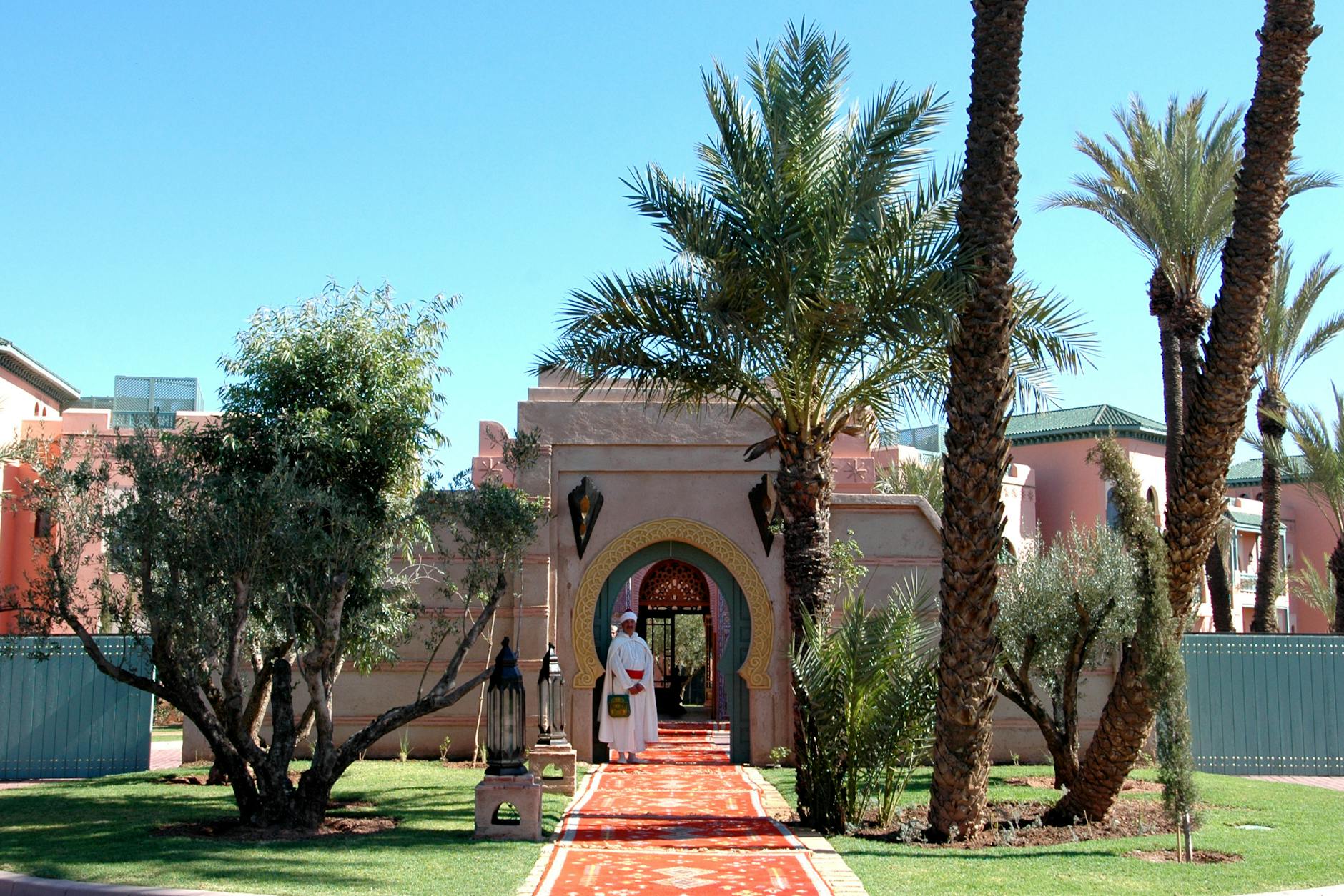
Marrakech bursts with colour in spring: bougainvillea over riad walls, roses in the Koutoubia gardens, and orange blossom in the air. Lose yourself (happily) in the medina’s souks, then slow down at the cobalt-blue Jardin Majorelle. Morocco in March shows this lively city at its best — warm, fragrant and not yet crowded.
Fes: A City of Tradition and Art
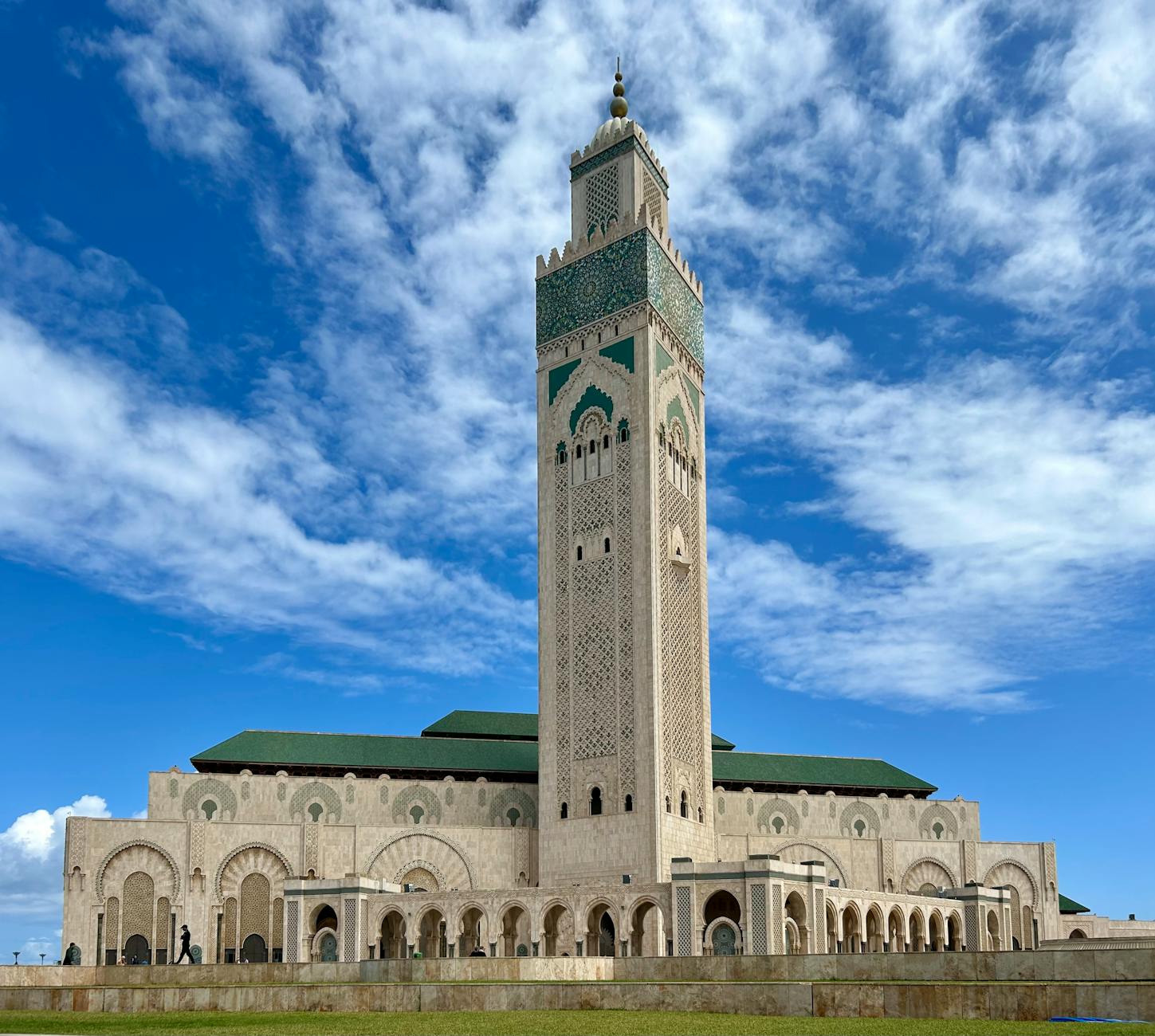
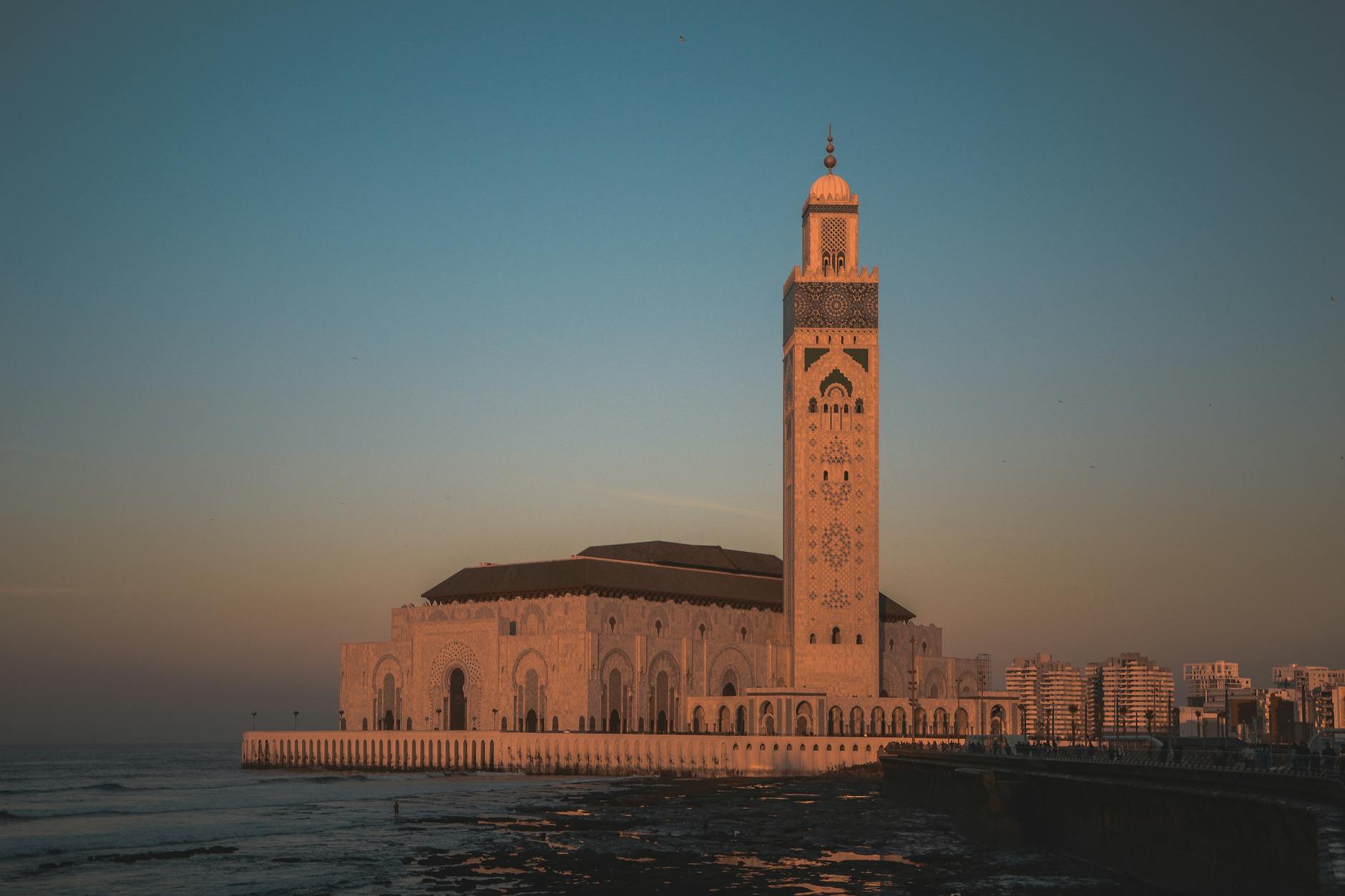
Fes is Morocco’s cultural and spiritual heart, and its medieval medina, Fes el Bali, is often described as one of the largest car-free urban areas in the world. Admire its mosques and madrasas, and watch dyers and tanners at work. One honest note for Morocco in March — and any month: most Moroccan mosques are open to worshippers only, so enjoy them from outside; the great exception is Casablanca’s Hassan II Mosque, which runs guided tours.
Chefchaouen: The Blue Pearl
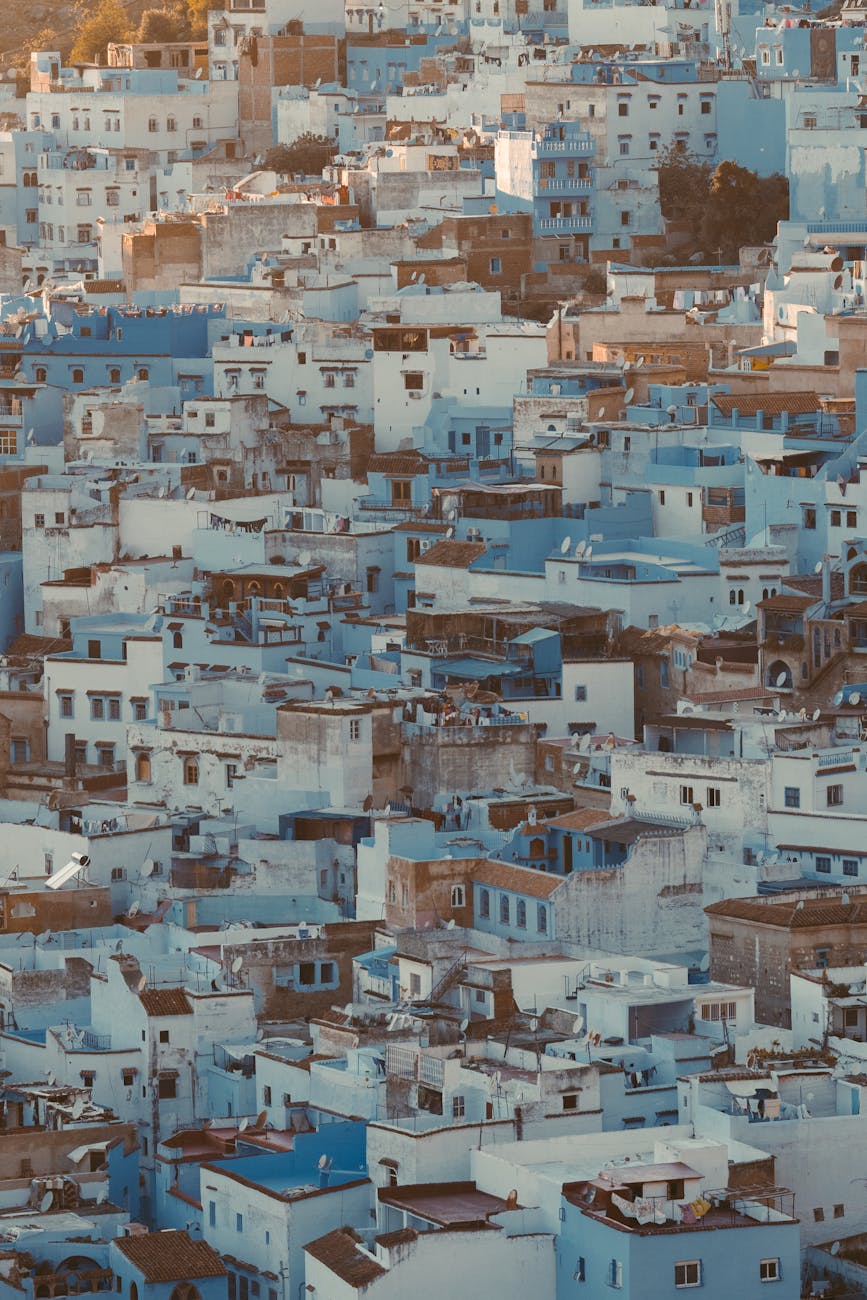
Nestled in the Rif Mountains, Chefchaouen washes its lanes in every shade of blue. Spring brings green hillsides and clear views around the town, and the pace is blissfully slow. Photographers, especially, will love Morocco in March here, when the light is soft and the streets are quiet.
Essaouira: Coastal Charm and Windswept Beauty
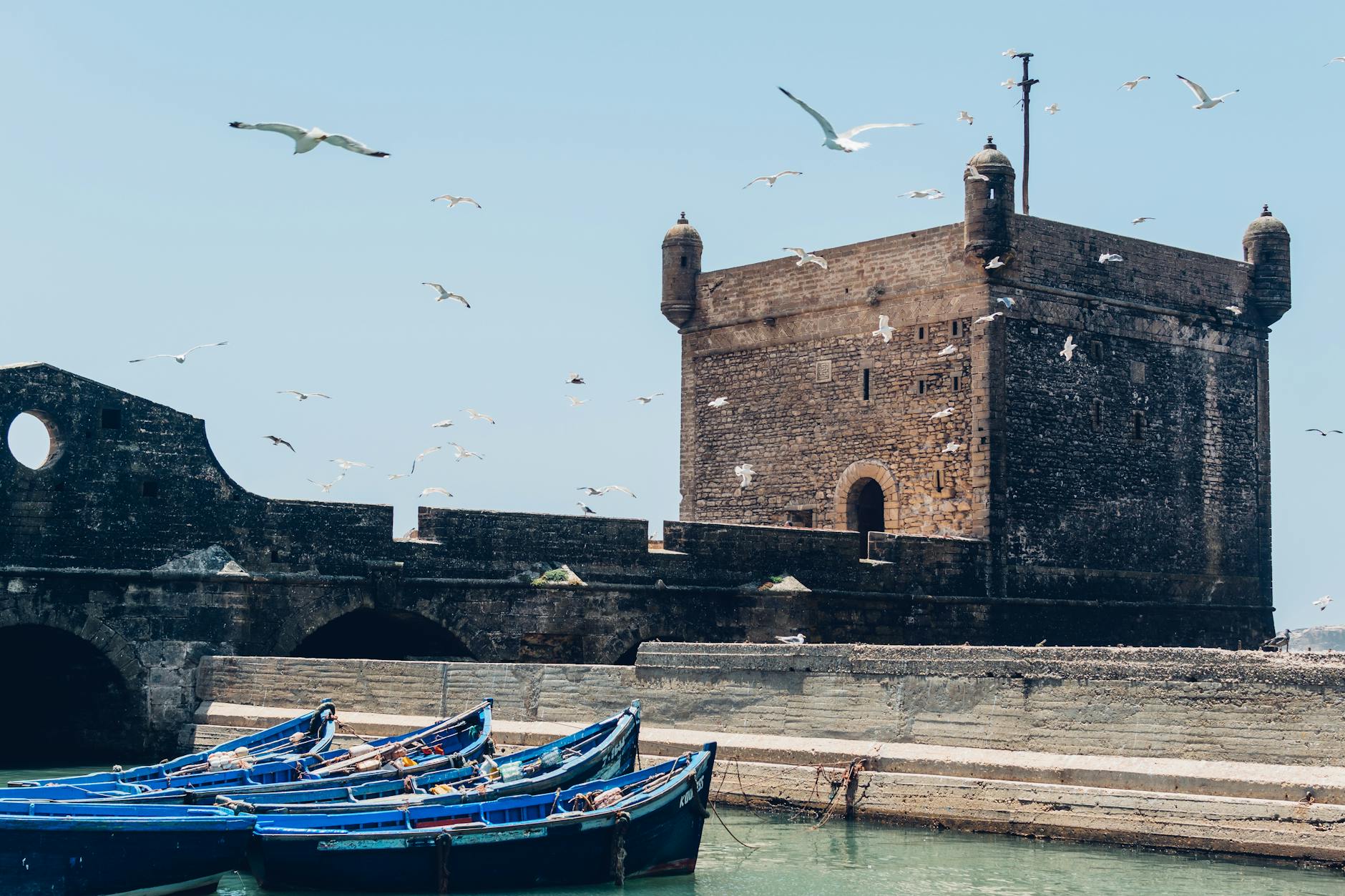
Essaouira is the coast at its most easy-going: a whitewashed medina, a working fishing port and long sandy beaches. March brings fresh breezes — kite- and windsurfers adore this town — plus just-caught seafood at the port grills. It is the refreshing counterpoint to inland Morocco in March.
Rabat and Casablanca: Modern Meets Tradition
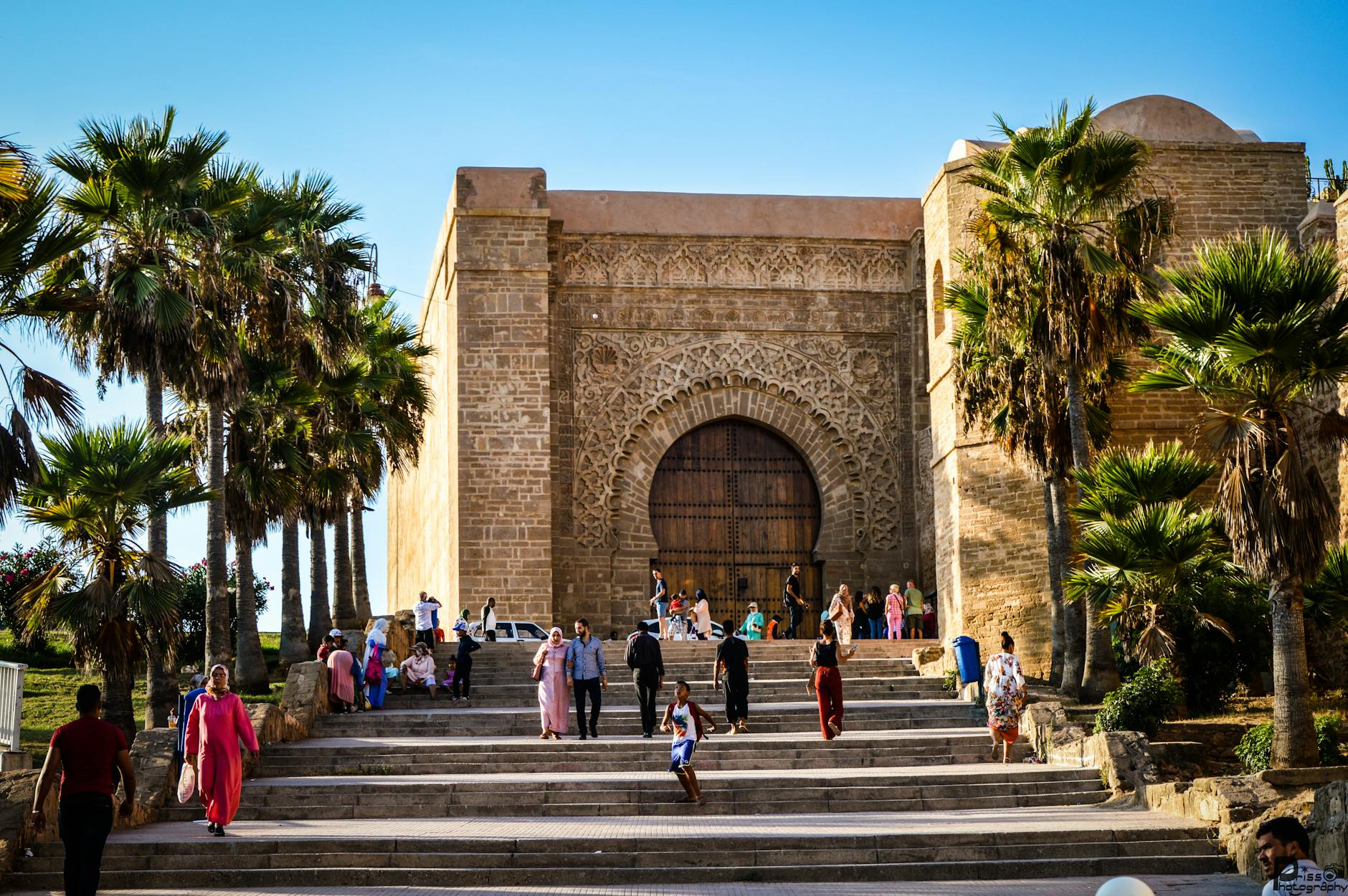
Rabat, the capital, pairs leafy boulevards with the Kasbah of the Udayas and the Hassan Tower; view the Royal Palace from outside, as it is a working royal residence. Casablanca, Morocco’s largest city, is worth a stop for the magnificent Hassan II Mosque, one of the few mosques in Morocco that non-Muslim visitors may tour. Together they round out Morocco in March beautifully.
Culture and Festivals
March is not Morocco’s big-festival month — and that is part of its charm. Instead of crowds, you get everyday celebrations: markets piled with spring produce, street musicians, and cafés full of life. In some years Ramadan falls in March (in 2025 it covers most of the month), when days grow quieter and evenings glow with iftar feasts — travel gently, and never refuse an offered date or glass of tea. That is Morocco in March at its most welcoming.
Discovering Morocco’s Natural Wonders
The Atlas Mountains
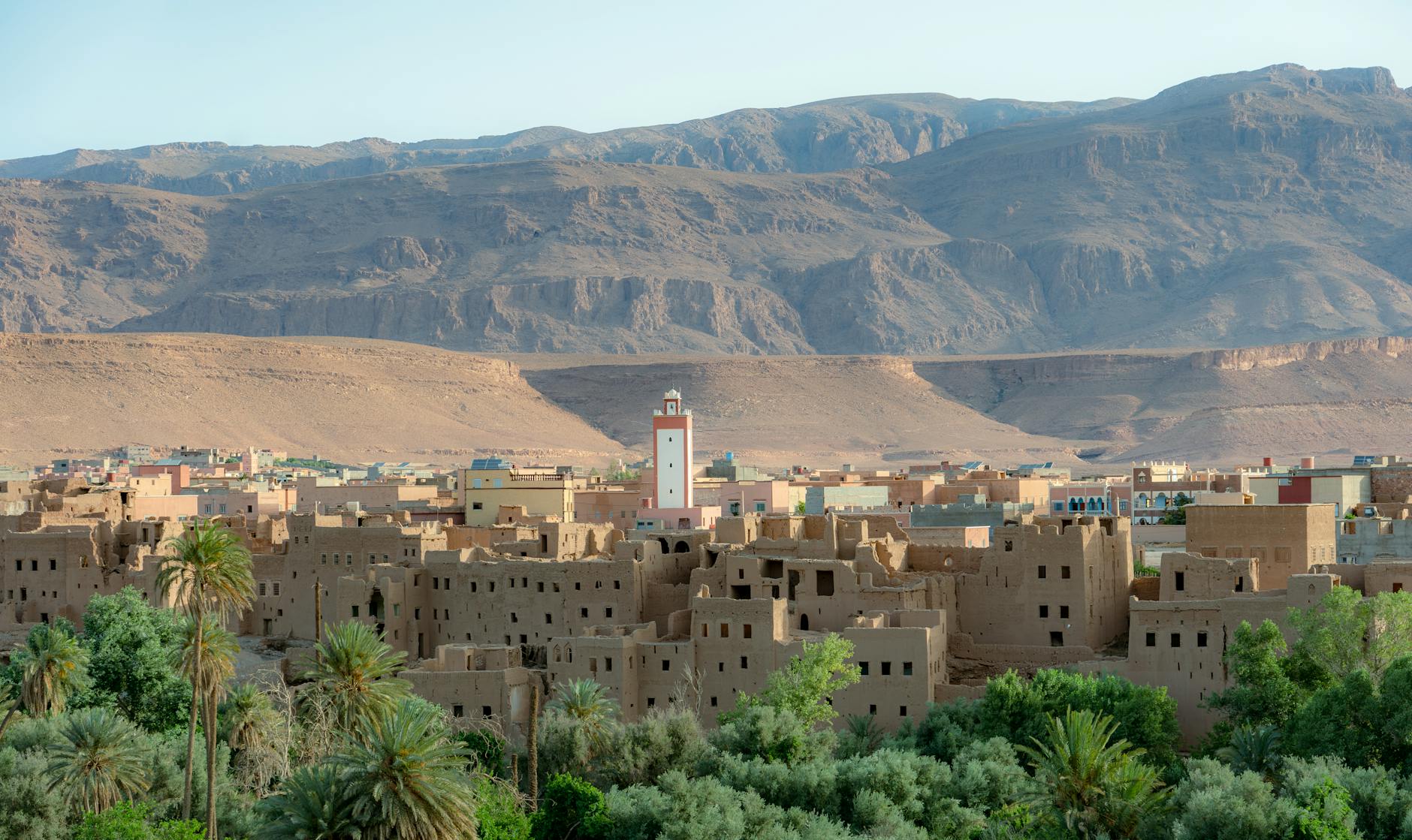
The Atlas Mountains run like a spine through the country. In March, almond and cherry blossom dust the valleys and wildflowers colour the lower slopes, while snow still caps the high peaks. A guided day hike with an Amazigh (Berber) guide — learning about village life along the way — is a highlight of Morocco in March.
The Sahara Desert
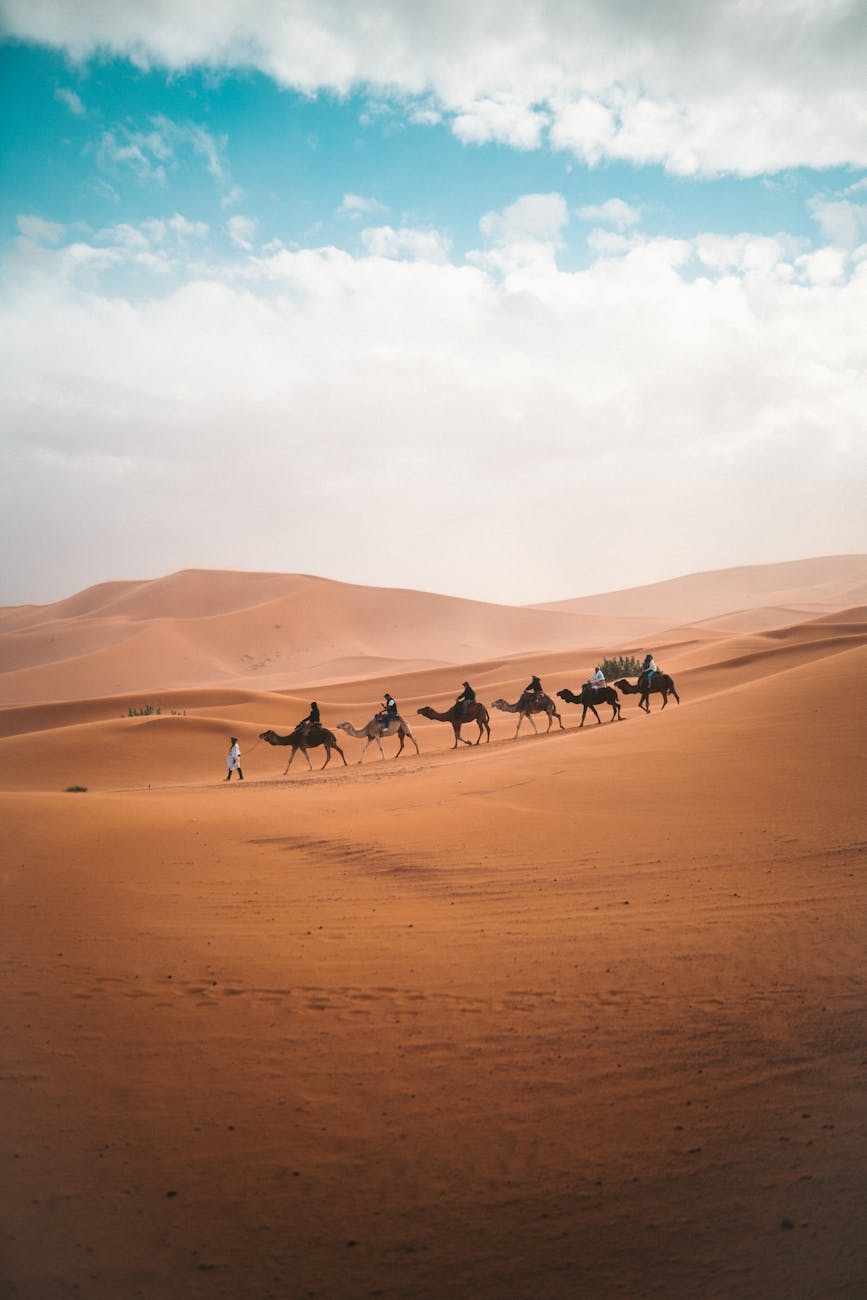
No Morocco in March trip is complete without a night in the Sahara — but plan it honestly: the dunes at Merzouga and Zagora are a long day’s drive from Marrakech or Fes, so give the desert at least two days. March is kind there: warm days for camel treks, cool nights, and skies thick with stars.
Coastal Areas and National Parks
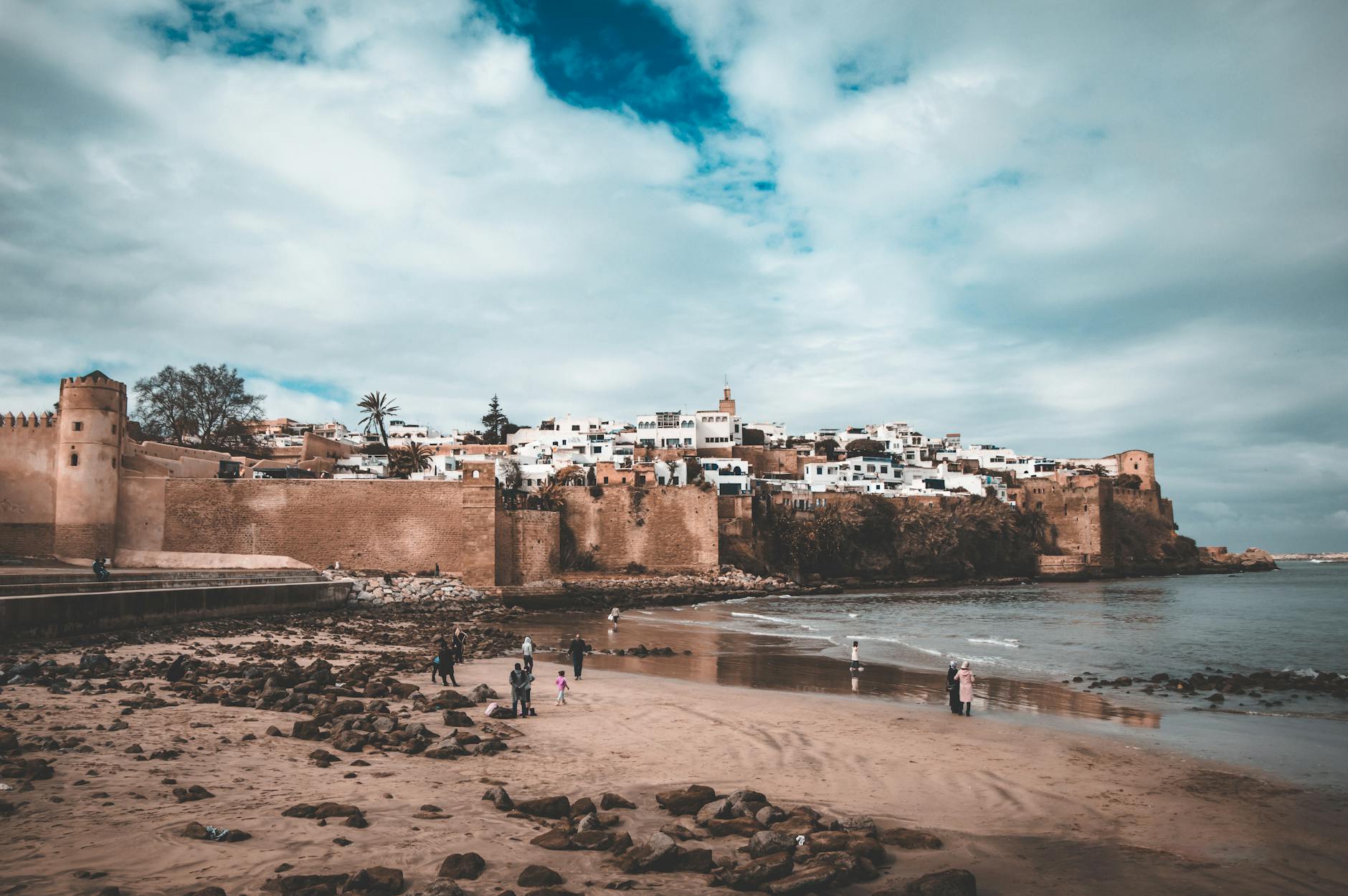
Morocco’s Atlantic and Mediterranean coasts are lovely before the summer rush. Near Essaouira, the offshore islands and wetlands draw migrating birds in spring, and national parks such as Souss-Massa protect rare wildlife, including the northern bald ibis. Beach days in Morocco in March are for walks and picnics more than swimming — the Atlantic is still bracing.
Travel Tips for Morocco in March
A little preparation makes all the difference:
- Pack layers: warm days, cool nights, cold mountains. A light jacket and a warm fleece cover most of Morocco in March.
- Stay hydrated: the spring sun is stronger than it feels; carry water.
- Dress respectfully: cover shoulders and knees, especially in medinas, villages and near religious sites.
- Book ahead: the best desert and Atlas guides go first in spring, so reserve tours early.
- Carry cash: cards work in cities, but small souks and taxis prefer dirhams.
- Check official sources: before you go, see Visit Morocco, the country’s official tourism portal, for events and inspiration.
Exploring Local Cuisine
Come hungry: Morocco in March tastes of spring — artichokes, broad beans, strawberries and fresh herbs fill the markets. Start with these classics:
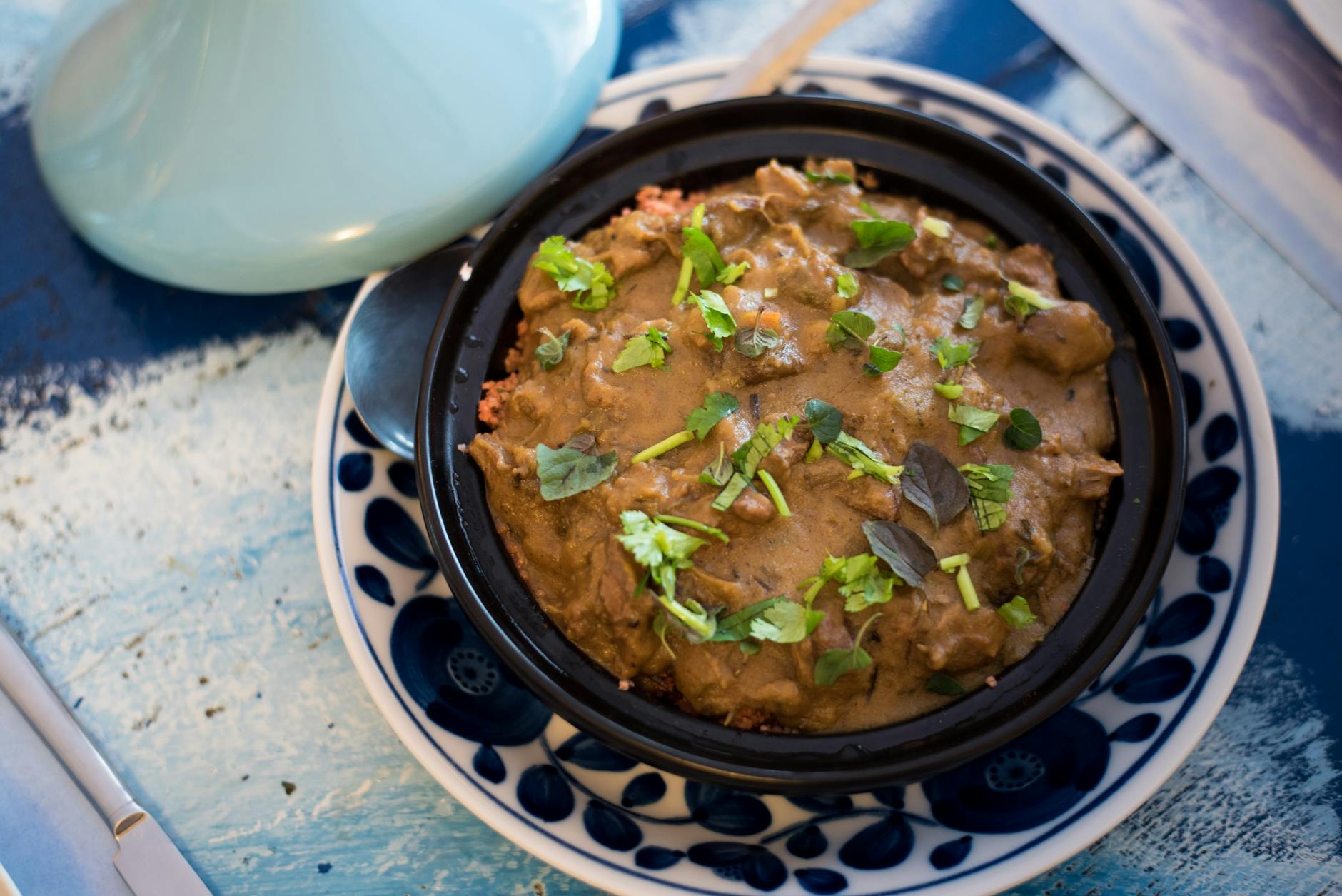
- Tagine: a slow-cooked, fragrant stew, scooped up with bread — couscous is a separate dish, traditionally served on Fridays.
- Couscous: fluffy steamed semolina piled with vegetables and tender meat, the Friday family favourite.
- Pastilla: a crisp, sweet-savoury pie of chicken (traditionally pigeon), almonds and cinnamon.
- Mint tea: sweet, frothy and poured from a height — “Moroccan whisky” is the country’s handshake in a glass.
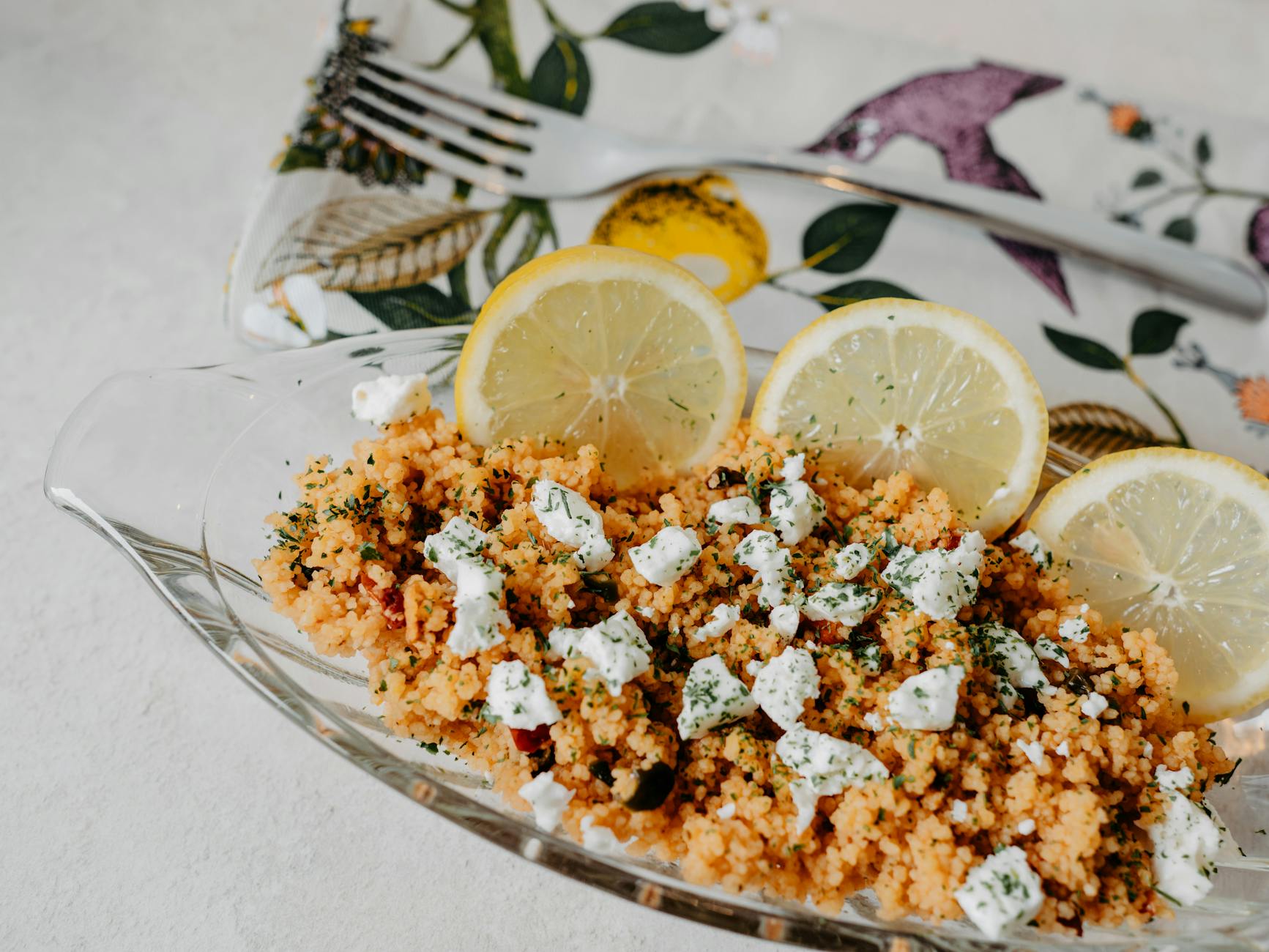
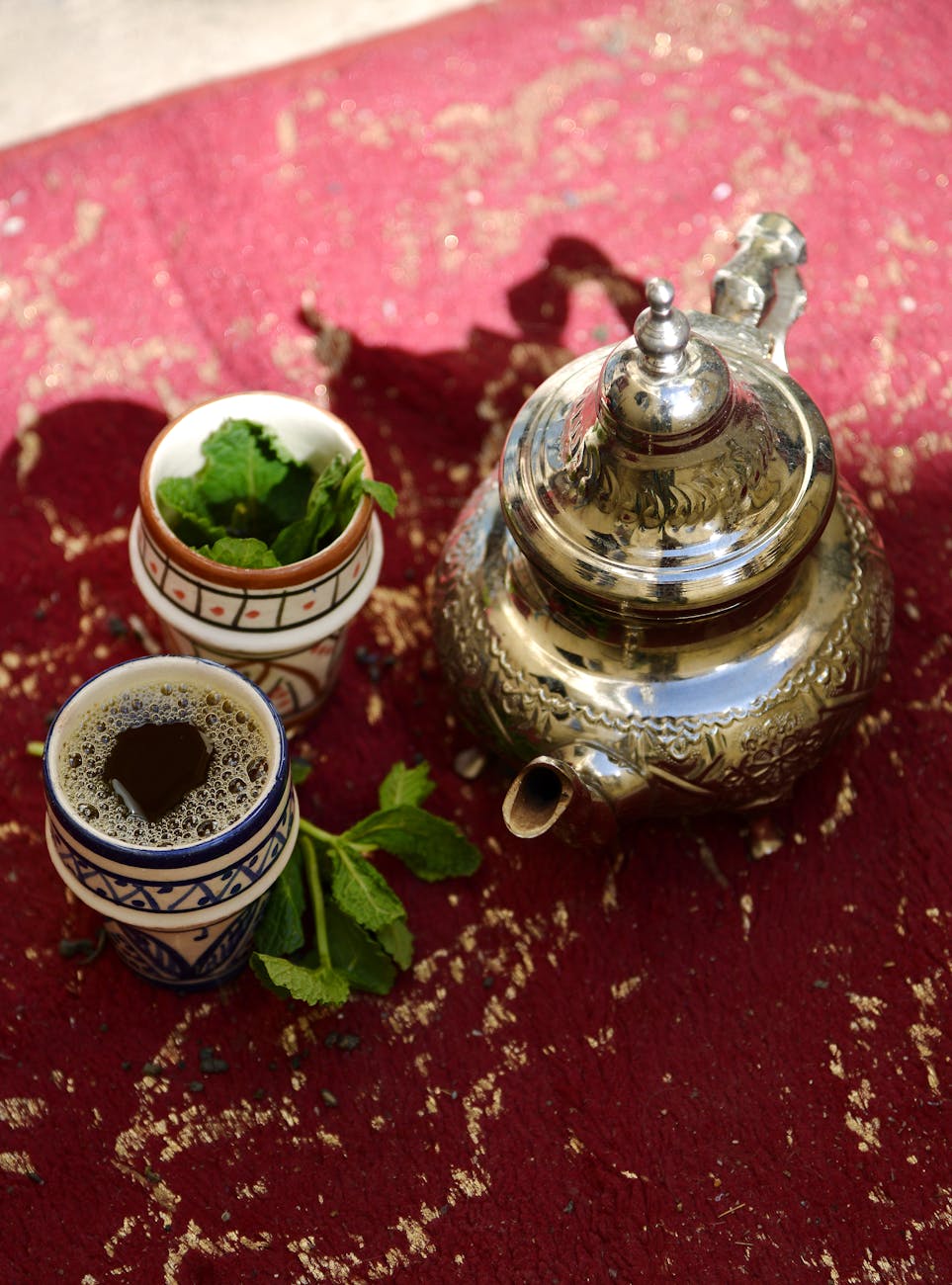
Street food stalls and small local restaurants cook the most memorable meals; follow the lunchtime crowds.
Where to Stay
Where you sleep shapes Morocco in March: choose a riad in the medina for atmosphere, and book early for the best courtyard rooms.
- Riads: traditional courtyard guesthouses — calm oases behind medina doors, often with rooftop breakfasts.
- Hotels: modern comforts in the newer districts (Guéliz in Marrakech, for example), handy for pools and parking.
- Hostels and guesthouses: friendly, affordable bases, great for meeting other travellers.
- Desert camps and resorts: a night under canvas in the dunes, or a resort on the coast for slow days.
Getting Around
Morocco is easy to navigate. Trains link the big cities, buses and shared (grand) taxis fill the gaps, and hiring a car or driver gives you freedom in the countryside.
Trains, Buses and Taxis
Morocco’s trains, run by ONCF, are comfortable and good value; the Al Boraq high-speed line links Tangier, Rabat and Casablanca. In towns, agree the fare or insist on the meter in petit taxis.
Car Rentals and Guided Tours
Roads between major cities are generally good. If mountain or desert driving doesn’t appeal, a guided tour or private driver is money well spent — local guides know the blossom spots, the roadside stops and the stories.
Itineraries for Morocco in March
Two ready-made routes — adjust them to your pace:
5-Day Itinerary
- Day 1: Arrive in Marrakech. Explore the medina, admire the Koutoubia Mosque from its gardens, visit Jardin Majorelle, and dine as Jemaa el-Fnaa comes alive.
- Day 2: Day trip to the Atlas Mountains — hike from Imlil and lunch in an Amazigh village.
- Day 3: Head to Essaouira. Walk the ramparts, eat at the port grills, and stroll the beach.
- Day 4: Return to Marrakech for the souks, the Bahia Palace and a traditional hammam.
- Day 5: A slow morning in a café garden, then depart.
7-Day Itinerary
- Day 1: Land in Casablanca and take the guided tour of the Hassan II Mosque.
- Day 2: Travel to Rabat for the Kasbah of the Udayas, the Hassan Tower and the Royal Palace exterior.
- Day 3: Journey to Chefchaouen and wander the blue lanes.
- Day 4: Head to Fes. Tour the medina, the tanneries and the madrasas.
- Day 5: Travel to Marrakech by train via Casablanca — a long, scenic travel day.
- Day 6: Day trip to the rocky Agafay Desert for Atlas views and a camel ride. (The Sahara itself needs two extra days — don’t rush it.)
- Day 7: Revisit your Marrakech favourites and shop for souvenirs before you depart.
Local Customs and Etiquette
Moroccans are famously hospitable. A few courtesies open doors everywhere in Morocco in March:
- Greetings: a smile, a handshake and “Salam alaikum” (peace be upon you) go far.
- Right hand: eat, give and receive with your right hand.
- Photography: always ask before photographing people.
- Bargaining: haggle with humour in the souks — it is expected, and walking away politely is part of the dance.
- Ramadan respect: if your visit overlaps Ramadan, be discreet about eating in public and accept iftar invitations gladly.
Exploring the Arts and Crafts
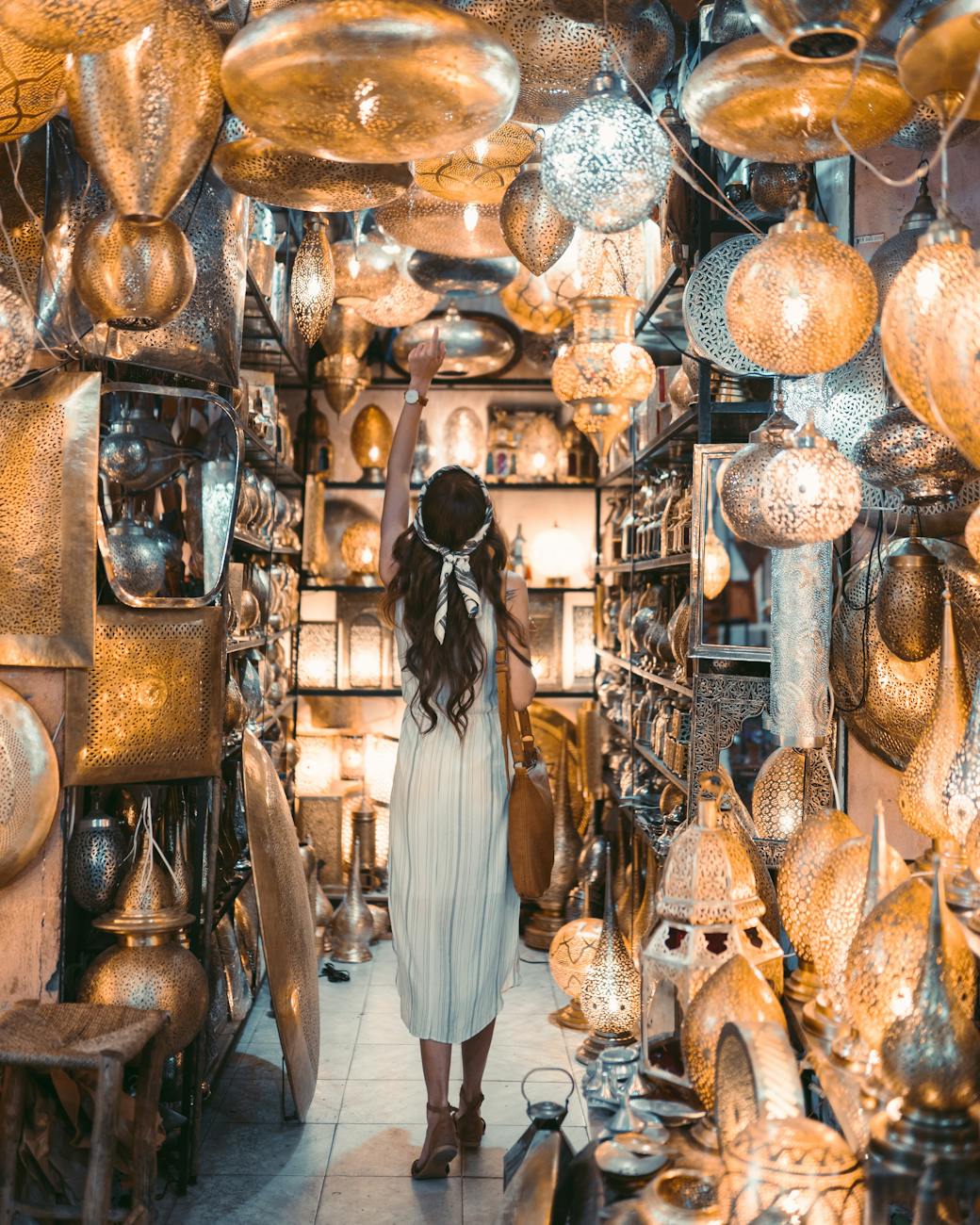
Morocco in March is prime souk season: lanterns, rugs, ceramics and leather, much of it made in workshops behind the stalls. Watching an artisan at work — and buying directly from them — keeps centuries-old skills alive. A short pottery or weaving workshop makes a souvenir with a story.
Safety and Practical Considerations
- Health: bring basic medications and travel insurance; pharmacies are plentiful and helpful.
- Money: the currency is the Moroccan dirham (MAD). ATMs are common in cities; keep small notes for taxis and tips.
- Language: Arabic and Tamazight are the official languages; French is widely spoken, and English is common in tourist areas.
- Safety: Morocco is generally welcoming; use normal city sense, watch your belongings in crowds, and agree taxi fares up front.
- Emergencies: police 19 and ambulance 15 from a Moroccan phone — save them before you set out.
Final Thoughts
Morocco in March gives you the country in full bloom: mild days, blossom in the mountains, quiet beaches and medinas that still have room to breathe. It is spring travel as it should be — beautiful, unhurried and full of flavour.
So pack your layers, bring your curiosity, and go: Morocco in March will reward you with memories that last long after the blossom falls. Happy travels — and enjoy every moment of Morocco in bloom! 🌸
This guide to Morocco in March was compiled from reliable travel resources and official tourism sources, and refreshed for republication. Whether it is your first visit or your fifth, we hope it helps you travel Morocco in spring with ease and confidence.