

Content Creation 101: How to Choose the Right Niche (Beginner’s Guide)
Content Creation 101, Lesson 1: How to choose the right niche, find your focus, understand your audience, and create content people actually want.
This post may contain affiliate links. We only recommend products we personally use and love (please see our full affiliate disclosure). If you click through and make a purchase, we may earn a small commission at no extra cost to you. Your support helps keep this blog running. Thank you so much!
Your creator desk is ready. Now comes the interesting part: deciding what to create.
Starting a blog, YouTube channel, or social media account is exciting. You have ideas, a camera or phone, and probably a folder full of photos you’ve been meaning to share. But sooner or later, you’ll encounter one important question:
What exactly should I create content about?
This is where choosing a niche comes in.
Your niche gives your content direction. It helps people understand what you offer, why they should follow you, and what they can expect when they visit your page.
But don’t worry. You don’t need to have your entire future figured out before publishing your first post. You just need a starting point.
In this first lesson of our Content Creation 101 series, let’s talk about finding a niche that makes sense for your interests, your audience, and the kind of content you can realistically create.
Table of Contents
What Is a Content Creation Niche?
A niche is the particular subject, interest, or area you focus on when creating content.
Think of it as the main theme of your online space.
For example, instead of covering everything about food, you might focus on easy home cooking for beginners, budget-friendly family meals, or Filipino recipes made with ingredients available in the United States.
See the difference?
The more specific your focus, the easier it becomes for people to understand what your content is about.
It also makes planning easier. Instead of waking up every morning wondering what to post, you have a general direction to work with.
That doesn’t mean you can never talk about anything outside your niche. It simply means your audience has something consistent to come back for.
How to Choose the Right Niche: 5 Things to Consider
Choosing a niche doesn’t have to be complicated. Before settling on one, consider these five things.
Start With What You Already Enjoy
Make a list of things you’re naturally interested in.
It could be cooking, gardening, traveling, reading, organizing your home, caring for pets, technology, or even sharing lessons from your everyday experiences.
Don’t immediately dismiss something because you don’t consider yourself an expert.
Sometimes, being a beginner is actually an advantage. You can document what you’re learning and share your progress with people who are learning the same things.
Ask yourself:
- What topics do I naturally search for online?
- What do I enjoy doing even when nobody asks me to?
- What can I spend hours learning about without getting bored?
- What experiences or skills could be useful to someone else?
Your answers will give you a good starting point.
Find a Specific Angle
Having an interest is one thing. Turning it into a recognizable content niche is another.
For example:
- Fitness → Simple home workouts for beginners
- Cooking → Easy homemade meals for busy couples
- Gardening → Indoor plant care for first-time plant owners
- Travel → Budget-friendly weekend trips
- Books → Book recommendations for busy readers
Notice how each example identifies a more specific audience or purpose?
You don’t necessarily need to invent something completely new. You just need to find an angle that makes your content relevant to a particular group of people.
Think About Your Audience
Here’s something worth remembering: creating content isn’t just about what you want to share. It’s also about what someone else might find useful, interesting, or entertaining.
Imagine the person you want to reach.
Are they beginners looking for guidance? Parents trying to save time? People interested in learning a new skill? Readers searching for their next favorite book?
You don’t need to know every detail about your audience right away.
Start with a simple question:
Who would benefit from the things I want to share?
When you understand who you’re creating for, it becomes easier to decide what to publish and how to present it.
Check Whether People Are Interested in Your Topic
Passion is important, but it’s also helpful to know whether people are actively looking for information about your chosen subject.
A little research can save you time.
Here are a few simple ways to do it:
- Google Search: Type your topic into Google and look at the suggested searches and related questions.
- Google Trends: Compare topics and see how interest changes over time.
- YouTube: Search for similar content and pay attention to the questions people ask in the comments.
- Pinterest: Explore related searches and popular content ideas.
- Social Media: Look at discussions, recurring questions, and the types of posts people engage with.
You’re not looking for a topic with absolutely no competition. In fact, seeing other creators covering a subject can be a good indication that people are interested in it.
What you want to find is an opportunity to contribute something useful from your own perspective.
Choose Something You Can Sustain
This is probably one of the most important considerations.
Creating content isn’t just about publishing one interesting post. It’s about coming up with ideas repeatedly, learning new things, producing content, and showing up even when inspiration isn’t cooperating.
Ask yourself whether you can imagine creating content about this subject six months or even a year from now.
You don’t have to be excited every single day. Nobody is.
But if you already feel exhausted just thinking about producing your next ten posts, you might want to reconsider your direction.
Choose something that gives you enough room to explore, experiment, and grow.
And remember, your niche can evolve as you do.
Good Content Niches for Beginners
If you’re still exploring your options, here are some ideas you can consider across blogs, YouTube, and social media.
Home and Lifestyle
- Small-space organization
- Home decorating on a budget
- Cleaning routines and household tips
- Indoor plant care for beginners
Food and Cooking
- Easy homemade meals
- Budget-friendly cooking
- Meal preparation for busy households
- Beginner-friendly recipes
Travel and Experiences
- Weekend travel guides
- Budget-friendly destinations
- Local food discoveries
- Travel experiences and practical tips
Personal Growth and Learning
- Learning new skills as an adult
- Book recommendations and takeaways
- Productivity and organization
- Personal experiences and life lessons
Technology and Digital Lifestyle
- Beginner-friendly technology guides
- Blogging and content creation
- Product reviews and tutorials
- Digital tools for everyday productivity
These are starting points, not strict categories you must follow.
You can also combine related interests to create something that reflects your own experiences. Just make sure there’s a clear connection between the topics you’re sharing.
The Tools on My Creator Desk
Now that we’ve talked about finding your niche, let’s talk about the tools that make creating content a little easier.
You don’t need an expensive setup to get started. A smartphone, a notebook, and a reliable internet connection can take you surprisingly far.
But as you continue creating, you’ll probably discover a few tools that make your work more comfortable and efficient.
Here are some of the things I personally use in my content creation setup.
My Laptop
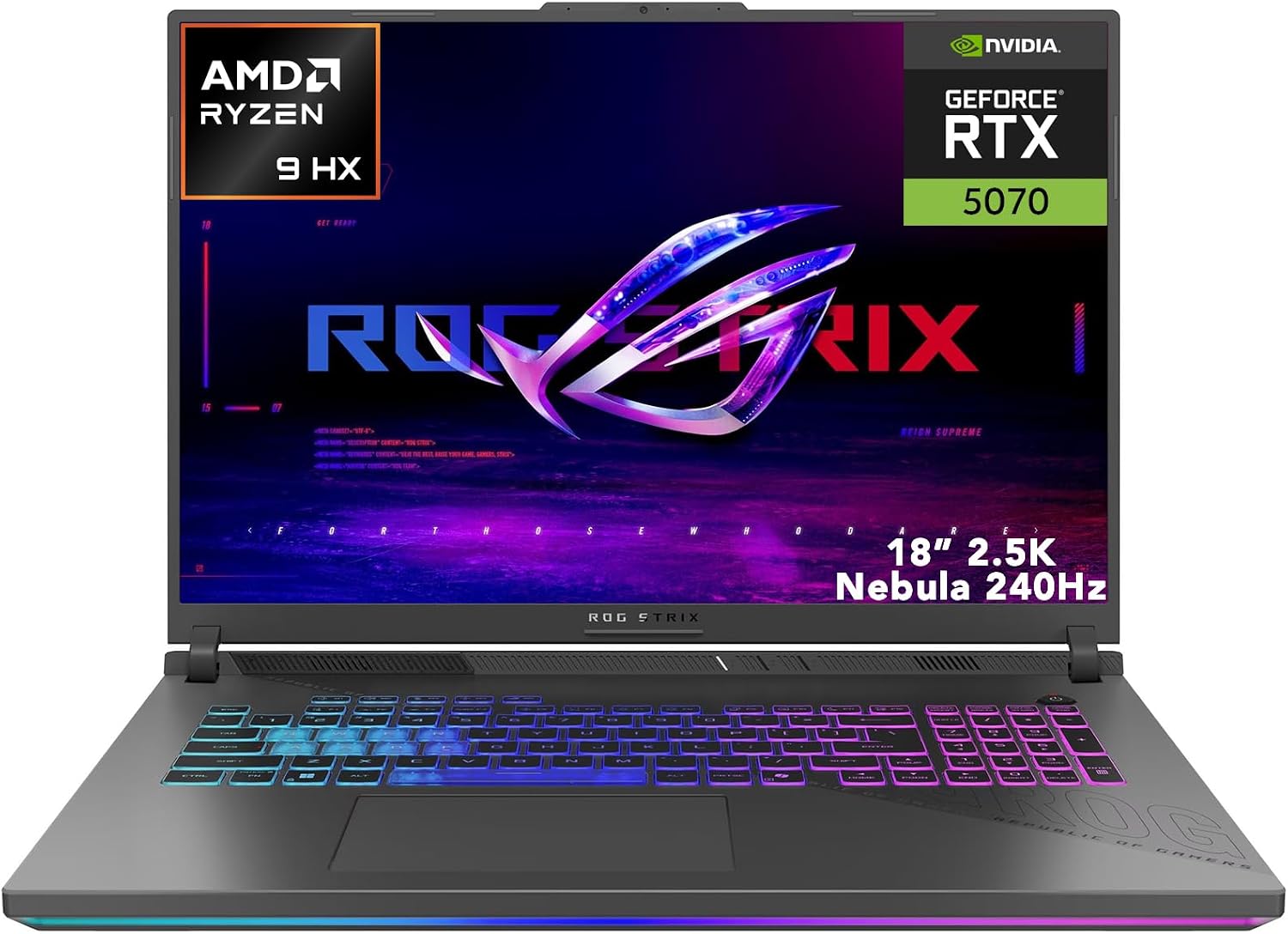
I honestly couldn’t imagine managing my blog, writing articles, editing content, and organizing my work without a reliable laptop.
Mine is the ASUS ROG Strix G18 Gaming Laptop (AMD Ryzen 9 9955HX, NVIDIA GeForce RTX 5070, and 18-inch ROG Nebula Display).
It’s more than a gaming machine in my household. It’s where I write, edit, research, and manage my little corner of the internet.
My Mouse

I used to use a Bluetooth mouse back in my office days, but I’ve grown to prefer a wired one.
No charging, no worrying about batteries, and it’s always ready when I need it.
The Logitech G203 Wired Gaming Mouse is the one I use. It has 8,000 DPI and six programmable buttons.
My Desk Mat
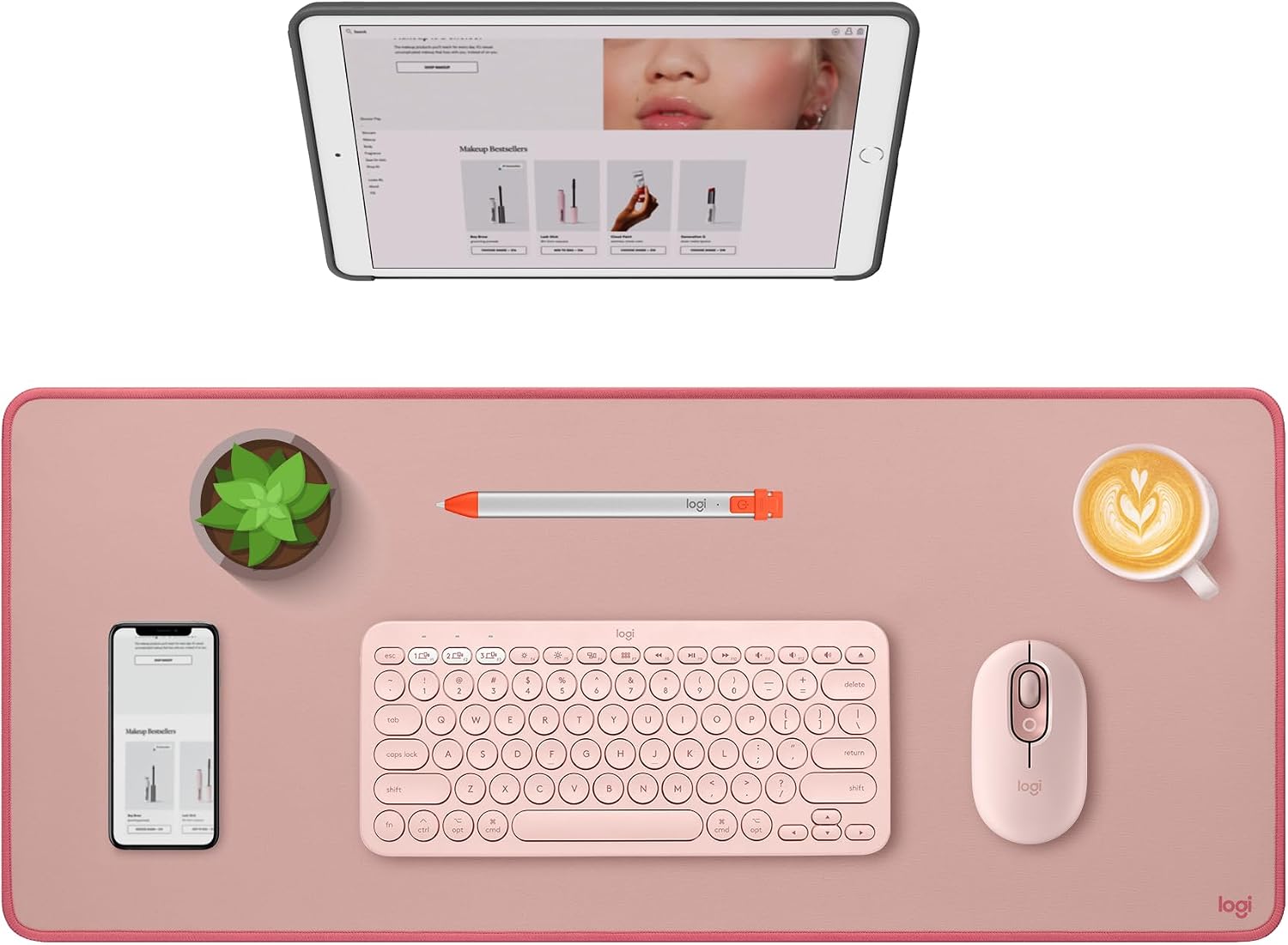
Here’s a funny little story about this one.
I texted my husband that I needed a mousepad. He agreed immediately without asking for any details because he already knows the colors I usually gravitate toward: dark pink, burgundy, and navy blue.
But when he came home, he had bought me a blanket mouse. LOL!
I was expecting a tiny mousepad, and he came back with a whole desk mat.
Good job, husband! 😄
It’s the Logitech Studio Series Desk Mat, a large 28 × 12-inch mat in a darker rose shade.
Blue Light Blocking Glasses
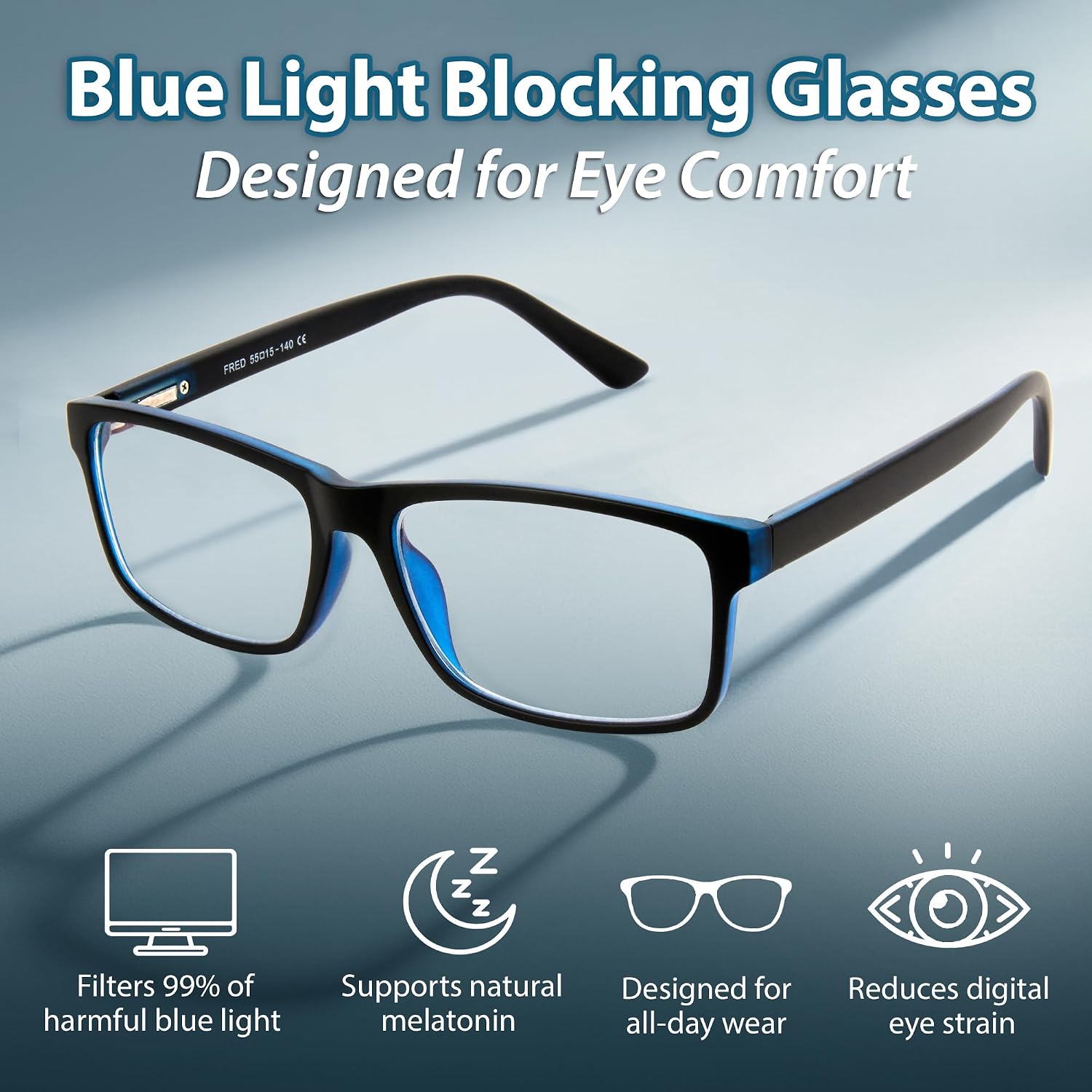
I’ve had my pair for about two years now, and they’re still part of my desk setup.
Since I spend quite a bit of time in front of my computer, I like having them around. They’re comfortable for my everyday computer sessions, although I still make a point of taking breaks.
A Notebook
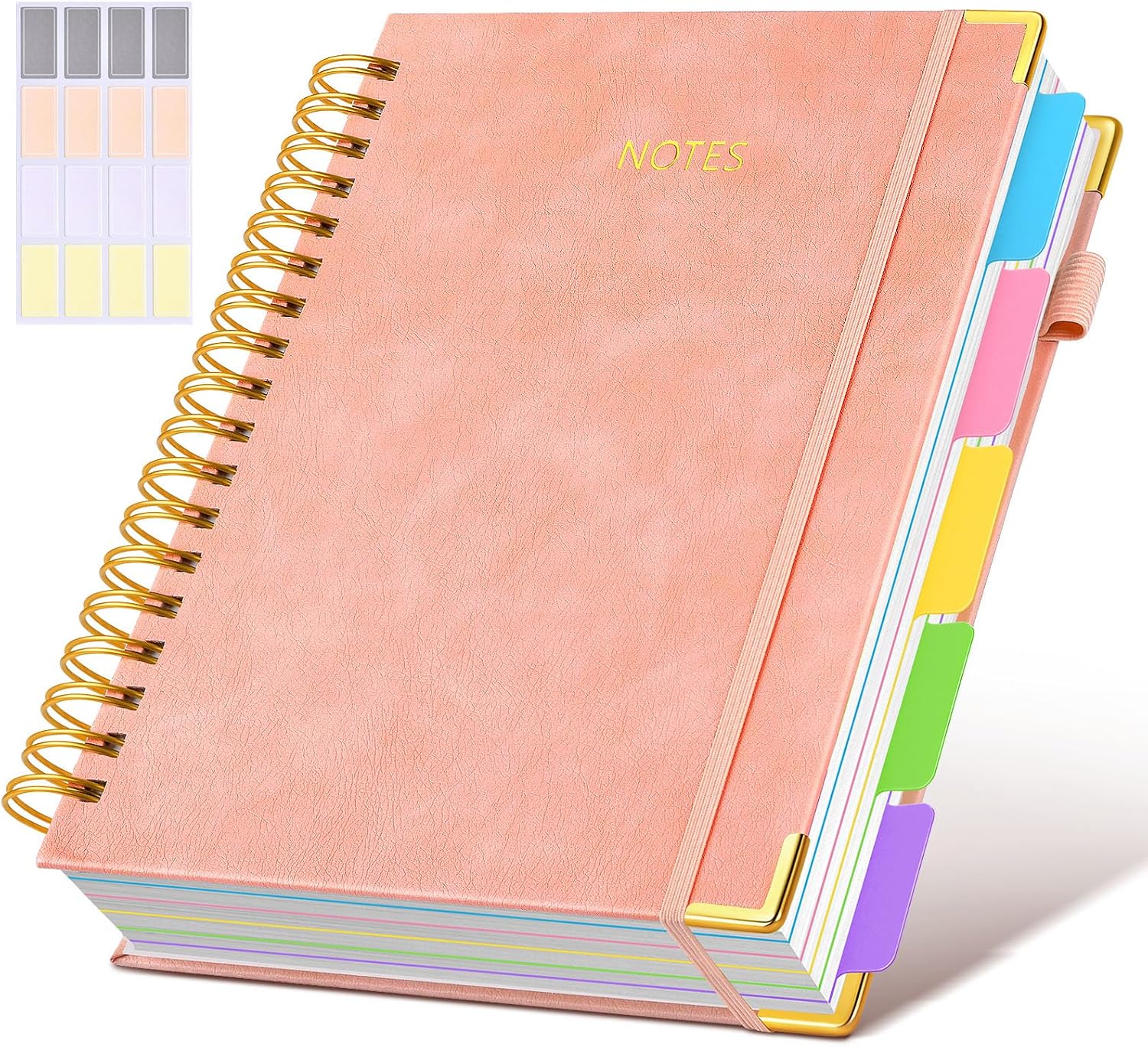
Not everything needs to happen on a computer.
I still like having a notebook where I can write down random ideas, organize topics, and keep track of things I want to explore later.
A notebook with removable dividers is especially useful if you have several content categories to manage.
A Home for Your Blog
And, of course, you’ll need somewhere to publish your content if you’re planning to start a blog.
My website, Life with Mike and Angie, is hosted on Hostinger.
Having your own website gives you a space to organize your articles, share your experiences, and build something that belongs to you.
You don’t need all these tools before you start. Begin with what you have, identify what you actually need, and upgrade when it makes sense.
I’ll be sharing more about the tools, platforms, and resources I use throughout this Content Creation 101 series.
Your Action Step: Define Your Niche in One Sentence
Before moving on, let’s put what you’ve learned into practice.
Try completing this simple sentence:
“I help [who] with [problem or goal] by sharing [type of content].”
For example:
“I help beginner home cooks prepare simple and delicious meals by sharing easy recipes and practical cooking tips.”
Or:
“I help busy readers discover interesting books by sharing honest recommendations and memorable takeaways.”
Your sentence doesn’t have to be perfect. It’s simply a starting point to help you stay focused.
Write it down somewhere visible. When planning your next blog post, video, or social media caption, use it as a guide.
If an idea doesn’t fit perfectly, that doesn’t mean you have to throw it away. Just consider whether it supports the overall direction of your content.
How I Found My Niche
Now, let me share how things happened on my end.
When I first started creating content, I honestly didn’t have a clear niche in mind.
I was interested in so many things. I wanted to share places I’ve visited, places I’d love to explore with my husband, movies and series I’ve watched, book takeaways, and even some Chinese classics that caught my attention.
I also knew I loved taking pictures and recording videos.
My Google Photos storage was already bursting with pictures and videos, and my husband would sometimes wonder what I was going to do with all of them. LOL!
Little did I know that those random collections would eventually become part of my content creation journey.
At first, I simply shared whatever came to mind. Sometimes it was something I cooked for my husband, sometimes a dish he particularly enjoyed, and other times something interesting I had learned or experienced.
Cooking gradually became a bigger part of my online world, but it wasn’t something I had planned from the beginning.
I think one of the interesting things about creating content is discovering abilities and interests you didn’t realize you had.
Sometimes, you just need a reason to start doing something, and the rest unfolds along the way.
I also learned that choosing a niche doesn’t mean you have to limit yourself to one tiny subject forever. As you gain experience, your interests develop, your skills improve, and your priorities change.
What matters is having a starting point and being willing to put in the work.
And let me tell you something: not everyone will understand what you’re doing.
You might encounter criticism, discouraging comments, or a lack of support from people you expected would cheer you on. That’s part of putting something personal out into the world.
But don’t let every opinion determine what you do next.
Positive comments can encourage you, while constructive criticism can help you improve. Learn to recognize the difference, take what is useful, and move forward.
One thing I’ve come to appreciate about creating content is the flexibility it offers. I can work on my blog, learn something new, and create something productive while managing my everyday responsibilities.
I have tremendous respect for people who work regular office hours. I spent years working in an office myself, so I understand that lifestyle.
But I also appreciate having the opportunity to explore a different path.
There are so many possibilities online, but none of them come without effort. You still need consistency, patience, and the willingness to keep learning.
You don’t have to know everything before you begin. Sometimes, you understand your direction better after you’ve already taken a few steps.
And perhaps that’s the biggest lesson I’ve learned so far.
Your journey is yours. You don’t need everyone to understand it, and you certainly don’t need everyone’s permission to pursue something meaningful to you.
A Little Reminder Before You Start
Don’t spend so much time trying to find the perfect niche that you never actually create anything.
Start with what interests you. Pay attention to what people respond to. Learn from your experiences, and allow your content to develop naturally.
You might discover that the subject you initially chose isn’t where you want to stay forever. That’s perfectly fine.
The important thing is to begin, keep showing up, and improve as you go.
I hope this first lesson helps you find a little direction as you begin your own content creation journey.
If you have questions or want to share the niche you’re thinking about, feel free to leave a comment below. I’d love to hear what you’re planning!
And if you’d like to follow along, stay tuned for the next lessons in our Content Creation 101 series.
Here at Life with Mike and Angie, I share recipes, everyday experiences, travel, and the things I’m learning along the way. There’s always something new to explore, so feel free to look around and join me on this little journey.
Happy creating! 💻