How to Win Friends and Influence People: 7 Powerful Takeaways
How to Win Friends and Influence People by Dale Carnegie — 7 powerful takeaways on listening, names, and making people feel important.
This post may contain affiliate links. We only recommend products we believe offer good value and quality (please see our full affiliate disclosure). If you click through and make a purchase, we may earn a small commission at no extra cost to you. Your support helps keep this blog running. Thank you so much! 💕
The Friendliest Book on the Shelf
We picked up How to Win Friends and Influence People because we wanted a kinder, simpler way to get along with people. We did not want tricks or scripts. We wanted honest habits we could use at home, at work, and with friends.
How to Win Friends and Influence People is not about winning arguments or impressing a room. It is about noticing the person in front of you and treating them like they matter. That shift sounds small, and we found it changes almost every conversation.
Carnegie wrote with warmth and plain stories, and his advice still feels fresh today. He reminds us that people remember how we made them feel far longer than they remember what we said. That is the heart of this book, and it is why we keep coming back to it.
“Names are the sweetest and most important sound in any language.” — Dale Carnegie
That one sentence stopped us in our tracks. In How to Win Friends and Influence People, a name is not a small detail. It is a way of saying, I see you, and you matter to me.
Table of Contents
What the Book Is About
How to Win Friends and Influence People was first published in 1936, and it grew out of Dale Carnegie’s courses on public speaking and human relations. Carnegie collected real stories from students, business people, and everyday readers. He then turned those stories into simple principles anyone can practice.
The book is built in four parts, moving from handling people gently to winning them to your way of thinking, and then to leading without giving offense. Each part is short, practical, and full of examples. We found it easy to read a little at a time and try one idea the same day.
What surprised us most is how little the advice depends on charm or talent. How to Win Friends and Influence People asks for attention, patience, and a real interest in other people. Those are choices, not gifts, and that makes the book feel hopeful rather than demanding.
7 Powerful Takeaways from How to Win Friends and Influence People
Each takeaway below comes from Carnegie’s own principles, in his spirit and in our own words. We have kept them short so you can try one today. Together, they form a gentle way of moving through the world.
Takeaway 1: Show Genuine Interest in Other People
Carnegie’s first principle is simple: become genuinely interested in other people. That means asking about their day, their work, and what lights them up, and then actually listening to the answer. People can tell the difference between curiosity and polite waiting.
We have found that interest is the easiest door into a better conversation. When we put our phone down and turn toward the person speaking, the whole mood softens. Interest costs us nothing, and it gives the other person a rare gift: our full attention.
Takeaway 2: Remember and Use People’s Names
“Names are the sweetest and most important sound in any language.” — Dale Carnegie. In How to Win Friends and Influence People, Carnegie treats a person’s name as the key to their attention and their trust. Using it well is a small act of respect.
We try to repeat a new name kindly, use it once in conversation, and write it down later if we need to. That little effort helps us remember, and it helps the other person feel known. A name said with warmth can turn a stranger into a friend.
Takeaway 3: Be a Good Listener and Let Them Talk
Carnegie urges us to be good listeners and to encourage others to talk about themselves. Most of us are quick to share our own story, offer advice, or finish a sentence. Listening well means holding back and making room for the other person’s thoughts.
When we listen without rushing in, people relax and say what they really mean. We learn more, we misunderstand less, and the conversation feels safer for both sides. In How to Win Friends and Influence People, listening is not passive at all. It is one of the most active kindnesses we can offer.
Takeaway 4: Talk in Terms of the Other Person’s Interests
Carnegie’s advice here is to talk in terms of the other person’s interests, not only our own. That does not mean hiding what we care about. It means starting where they are and finding the common ground that makes a conversation feel shared.
We notice this most with family and friends who love something different from us. When we ask about their hobby, their garden, or their favorite team, their face lights up. The conversation flows because we met them in their world first.
Takeaway 5: Give Honest Appreciation, Never Flattery
Carnegie draws a clear line between sincere appreciation and flattery. Appreciation is honest, specific, and given without expecting anything back. Flattery is cheap praise meant to win favor, and people usually sense it right away.
We try to name exactly what we appreciated, like a thoughtful note, a steady kindness, or a job done with care. Specific praise feels true, and it stays with a person. In How to Win Friends and Influence People, that honesty is what builds trust over time.
Takeaway 6: Make the Other Person Feel Important — Sincerely
Carnegie asks us to make the other person feel important, and to do it sincerely. That can be as simple as thanking someone by name, remembering a detail they shared, or asking for their opinion. Small gestures like these tell a person they count.
We have seen how much this matters in ordinary moments, like a greeting at the door or a kind word after a hard day. Sincerity is the key, because people feel the difference between real regard and a technique. When we mean it, importance becomes a gift, not a tactic.
Takeaway 7: Avoid Arguments, Admit Your Own Mistakes First, and Let the Other Person Save Face
Carnegie warns that the only way to get the best of an argument is to avoid it. Arguments rarely change minds, and they often leave both people hurt. It is better to stay calm, listen for the real concern, and look for a way forward together.
When we are wrong, he suggests admitting it quickly and openly, before anyone else has to point it out. That honesty takes the heat out of a disagreement. In How to Win Friends and Influence People, letting the other person save face is not losing. It is choosing the relationship over being right.
Why It’s a Must-Read
How to Win Friends and Influence People is a must-read because it is both timeless and usable. The examples come from another century, yet the people in them want the same things we want now: to be heard, respected, and liked. Carnegie’s principles meet those needs with kindness.
We also love that this book does not ask us to become someone else. It asks us to be more present, more curious, and more generous with our attention. That is a gentle challenge, and it fits into a busy life one conversation at a time.
Win Friends, Starting Today
We are keeping this book close, because its lessons are easy to forget in a rushed day. A name remembered, a question asked with care, and a thank-you said sincerely can change the tone of a whole week. How to Win Friends and Influence People reminds us that friendship is built in those small, daily choices.
If one takeaway stood out to you, try it today with someone you love or someone you have just met. Notice what happens, and then come back for another. We would love to hear which one you try first.
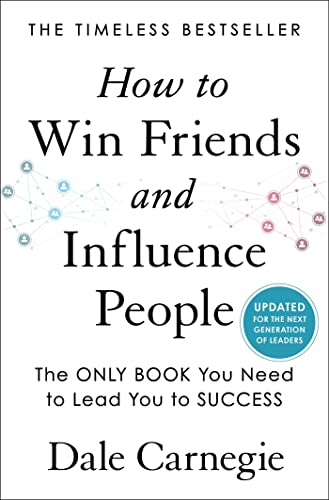
Get How to Win Friends and Influence People on Kindle above, or choose the hardcover below:
Keep reading on The Takeaway Shelf: The Untethered Soul: 7 Powerful Takeaways — another gentle guide to listening within and letting go.