Juicing Tropical Fruits: Health Benefits & Recipes
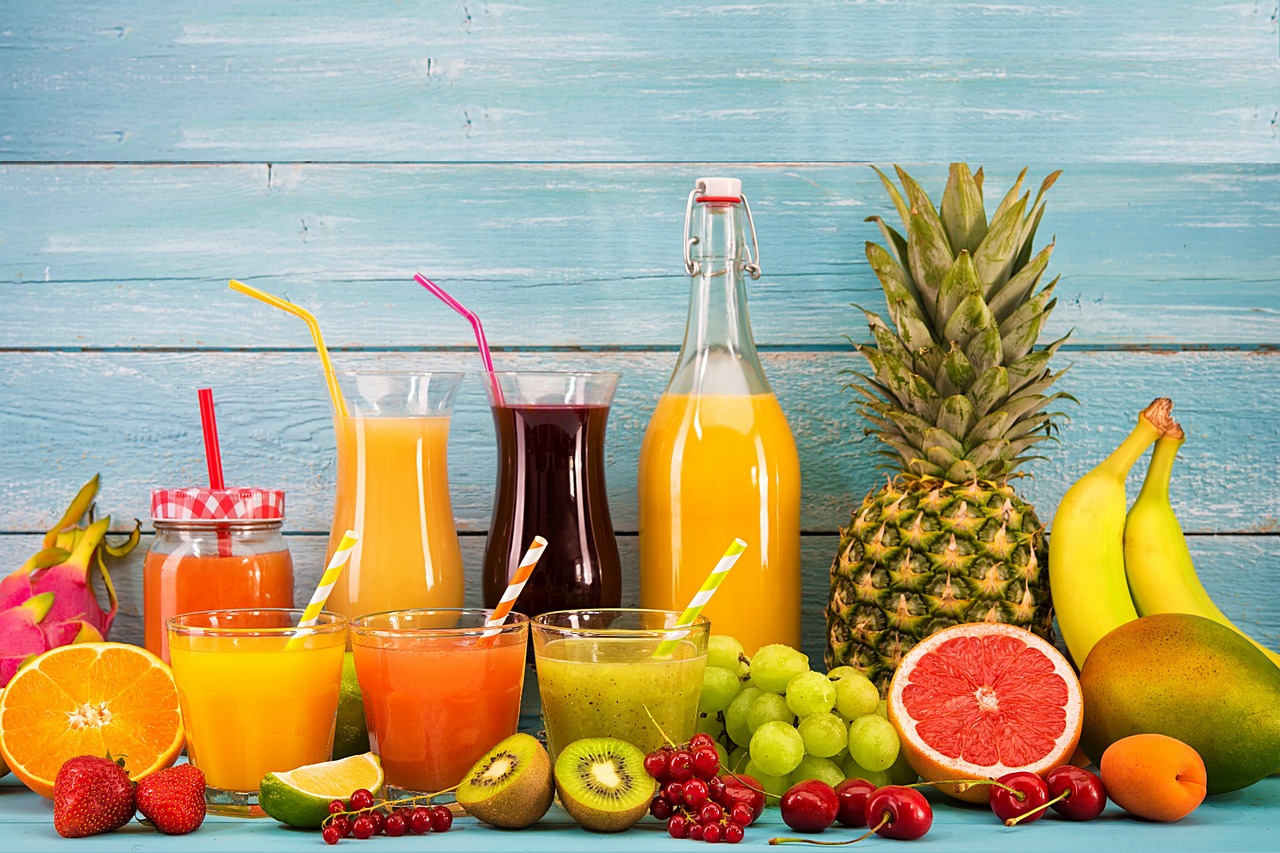
Juicing tropical fruits is one of the happiest habits I have picked up in the Philippines. Ripe mango, golden pineapple, and sweet papaya turn into a glass of sunshine in about fifteen minutes. Best of all, homemade tropical fruit juice needs no added sugar and no preservatives — just fresh fruit, a juicer, and a few ice cubes.
In this post, I share why I love these local fruits, what each one brings to your glass, and five blends I make again and again. My Mango & Pineapple Power Drink is the star, so you will find it waiting in the recipe card at the end. If you have never tried juicing tropical fruits, this is a delicious place to start.
This post may contain affiliate links. We only recommend products we personally use and love (please see our full affiliate disclosure). If you click through and make a purchase, we may earn a small commission at no extra cost to you. Your support helps keep this blog running. Thank you so much! 💕
How I Fell in Love with Juicing
As someone who got into juicing fairly recently, I still get excited about experimenting with the local fruits around me here in the Philippines. The markets are full of color, and almost everything begs to become juice. Juicing tropical fruits has honestly become my favorite way to enjoy them.
There is nothing quite like a fresh, homemade juice to start the day or cool down a hot afternoon. Unlike many store-bought juices, which can hide added sugars and preservatives, a juice you make yourself tastes bright and clean. You also know exactly what went into your glass.
A juicer makes the job easy, because it extracts the juice and leaves most of the pulp behind. A blender works too, though — I will share that tip below. Either way, each blend brings its own flavor and its own little bundle of nutrients. That, to me, is the heart of juicing tropical fruits: fresh, simple, and joyful.
Table of Contents
Why Choose Local Fruits for Juicing?
Incorporating local fruits into your juicing routine has several benefits:
- Freshness: Local fruits often travel a shorter distance, so they can be picked riper and taste sweeter.
- Nutritional value: Fruit eaten soon after harvest keeps more of its flavor and nutrients.
- Kinder to the planet: Shorter trips usually mean a smaller carbon footprint from transport.
- Support for farmers: Buying local helps farming families and the local agricultural economy.
Beyond those practical perks, local Philippine fruits are naturally rich in vitamins and antioxidants. That is a delicious reason to juice what grows near home. It is one more reason juicing tropical fruits with local produce just makes sense.
Why Juicing Tropical Fruits Is So Good for You
Before we get to the blends, let us look at what these fruits actually offer. Most of them provide vitamin C, which supports normal immune function, along with fiber, potassium, and protective plant compounds. Just remember that juicing removes some of the fiber, so enjoy juice alongside whole fruit, not instead of it. Done right, juicing tropical fruits gives you flavor and nourishment in every glass.
- Mangoes: Rich in vitamins A and C, which support immune health and healthy skin. Mangoes also provide antioxidants and some fiber.
- Pineapples: A good source of vitamin C and manganese. Pineapple also contains bromelain, an enzyme that may help with digestion.
- Guyabano (soursop): Sweet and gently tangy, guyabano provides vitamin C, potassium, and antioxidants. Researchers are studying soursop compounds in the lab, but guyabano is not a proven treatment for any disease — enjoy it for its flavor and nutrients.
- Papaya: Provides fiber, vitamins A and C, and papain, a natural enzyme. Together, these support comfortable digestion.
- Calamansi: This small but mighty citrus fruit is high in vitamin C. It supports immune health and adds a bright, zesty lift to any blend.
- Lanzones: A good source of fiber, vitamin C, and antioxidants. Lanzones add a sweet-tart flavor that pairs well with richer fruits.
- Dragon fruit: Low in calories, hydrating, and a source of fiber, vitamin C, and iron. Its mild sweetness makes blends feel light and refreshing.
With so many options, it is easy to get creative. You can mix and match based on what is ripe, what is on sale, or what your taste buds are craving. That is the joy of juicing tropical fruits — no two glasses have to taste the same.
Tropical Fruit Swaps for Blueberries and Raspberries
Many Western juicing recipes lean on blueberries and raspberries for their tart flavor and antioxidants. Here in the Philippines, though, those berries can be hard to find, and pricey when you do find them. Luckily, local fruits offer a similar sweet-tart balance. When you are juicing tropical fruits at home, local fruits can play that same role beautifully.
Here are some easy swaps:
- Pineapple for a zesty, vitamin C-rich alternative to berries.
- Lanzones for a sweet-tart flavor, plus fiber and antioxidants.
- Guyabano for gentle sweetness with a little acidity.
- Calamansi for a citrus twist that packs a real vitamin C punch.
My Favorite Juicing Combinations
Now for the fun part — the blends themselves. I usually balance sweet fruits with something tangy, then finish with a splash of citrus for brightness. Feel free to adjust every ratio to your own taste. These five blends are my favorites for juicing tropical fruits.
1. Mango & Pineapple Power Drink
Ingredients:
- 1 cup ripe mango (cubed)
- 1 cup pineapple chunks
- 1 calamansi (juiced)
This blend is pure tropical delight. The mango brings smooth sweetness, the pineapple adds a refreshing tang, and the calamansi ties everything together with a citrus kick. It is my favorite thirst-quencher on hot days, and you will find the full recipe in the card below.
- Mango provides vitamin A, which supports eye and skin health.
- Pineapple brings bromelain, which may help digestion feel more comfortable.
- Calamansi adds vitamin C, which supports your immune system.
2. Guyabano-Papaya Sunrise Juice
Ingredients:
- 1 cup guyabano pulp
- 1/2 cup papaya
- 1/2 cup coconut water
This light, refreshing juice pairs the gentle sweetness of papaya with the soft tang of guyabano. Meanwhile, coconut water keeps it silky and hydrating. It is a lovely way to start a slow morning.
- Guyabano provides antioxidants and vitamin C.
- Papaya offers fiber and papain, which support digestion.
- Coconut water helps you rehydrate and replace electrolytes, including potassium.
3. Dragon Fruit-Lanzones Twist
Ingredients:
- 1 dragon fruit (peeled)
- 1/2 cup lanzones (seeds removed)
- 1/2 cup pineapple chunks
This blend is light, pretty, and hydrating. Dragon fruit tastes mild and sweet, lanzones add a gentle tartness, and pineapple brings the tropical punch.
- Dragon fruit is low in calories and provides fiber.
- Lanzones add vitamin C and antioxidants.
- Pineapple may help digestion feel easier, thanks to its bromelain.
4. Under the Sea Juice
Ingredients:
- 1/2 cup pineapple chunks
- 1/2 cup papaya
- 1 calamansi
- 1/2 cup coconut water
Inspired by my love for the sea, this juice tastes like a little tropical escape. Pineapple and papaya balance sweetness and acidity, while calamansi adds a zingy finish.
- Pineapple provides natural enzymes that support digestion.
- Papaya is rich in vitamin C and papain.
- Calamansi supports immune health with its vitamin C.
5. Fantasy Fruit Juice (A Colorful Mix)
Ingredients:
- 1/2 cup dragon fruit
- 1/2 cup mango
- 1/2 cup lanzones
This juice looks as vibrant as it tastes. The mix of tropical fruits makes a refreshing, gently sweet drink that perks up a sleepy afternoon.
- Dragon fruit supports healthy skin and digestion with its fiber.
- Mango provides antioxidants and vitamin A.
- Lanzones add fiber for a happy gut.
Juicing Tips for Beginners
If you are new to juicing tropical fruits, these simple tips will help you get the most from every glass:
- Prep first: Peel, core, and chop your fruit before you start, so juicing feels quick and calm.
- Balance the flavors: Pair sweet fruits like mango with tangy ones like pineapple or calamansi.
- Add hydration: If a juice feels too thick, stir in a little coconut water to lighten it.
- Try some greens: Spinach, kale, or cucumber can add nutrients without overpowering the fruit.
- Drink it fresh: Juice tastes brightest right away, before air and light dull its flavor.
More From Our Kitchen
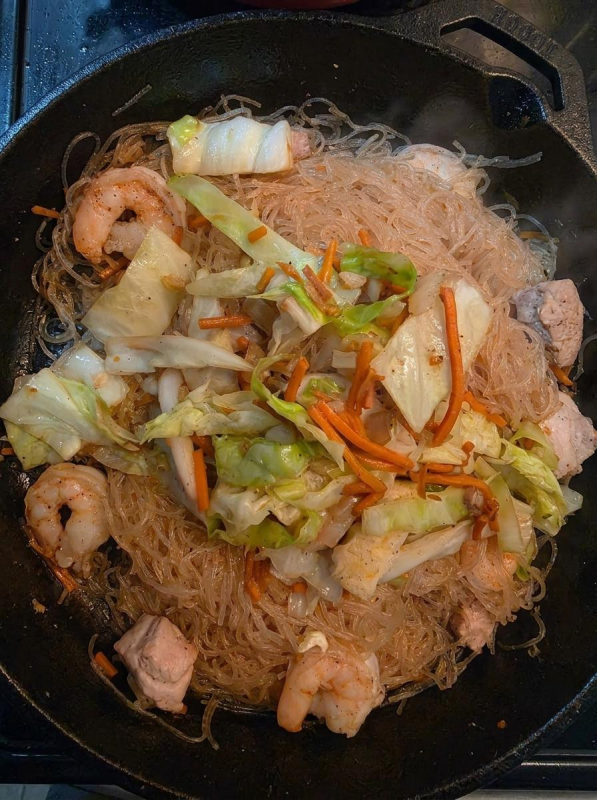
If Filipino flavors make you happy too, pair your juice with a savory favorite from our kitchen. Our Delicious 30-Minute Shrimp Pancit Bihon Recipe is a weeknight classic at our table, and a chilled glass of tropical juice sits beautifully beside it. For something tangy and make-ahead, try our Homemade Kimchi next — it is wonderful with grilled food and rice. And after a morning spent juicing tropical fruits, something savory always hits the spot.
Juicing Tropical Fruits: A Flavorful Path to Better Health
Juicing tropical fruits with local Philippine produce is a simple way to enjoy great flavor while supporting local farmers. Mango, pineapple, papaya, and guyabano alone give you endless combinations to play with.
Whether you are a seasoned juicer or you are just getting started, I hope these blends inspire you to try a new mix this week. The natural sweetness of ripe fruit means you rarely need added sugar. So taste as you go, adjust the ratios, and make each recipe your own. Most of all, have fun with juicing tropical fruits — that is what keeps me coming back to the juicer.
Happy juicing! Your taste buds — and your body — will thank you.
Mango & Pineapple Power Drink
Sweet ripe mango, tangy pineapple, and a bright squeeze of calamansi — a sunny tropical fruit juice that tastes like a Philippine summer in a glass.
Ingredients
- 1 cup ripe mango, cubed
- 1 cup pineapple chunks
- 1 calamansi, juiced
- 1/2 cup coconut water (optional, to thin)
- Ice cubes, to serve
How to make it
- Peel the mango and cut the flesh into cubes. Then cut the pineapple into chunks and remove the core.
- Feed the mango and pineapple through your juicer. If you use a blender instead, blend until smooth and strain if you like a lighter juice.
- Stir in the coconut water if you are using it, a little at a time, until the juice reaches the consistency you like.
- Squeeze in the calamansi juice and stir well. This bright squeeze balances the sweetness of the mango.
- Pour over ice and serve right away, while the flavor and color are at their best.
Notes
- Fresh juice tastes best right after you make it, so pour and enjoy right away.
- No calamansi on hand? A squeeze of lime or lemon works nicely too.
- Chill the fruit before juicing for an extra-refreshing glass that needs less ice.
- About 150 kcal per serving. This is an estimate, since fruit sizes and sweetness vary.
Author’s Note
For the past two years, I have been exploring teas and fruit juices as gentler alternatives to my usual coffee. My coffee maker gets less attention these days, because I have grown fond of the calm of chamomile tea and the refreshing lift of homemade fruit juice. 😊 I hope this post helps you craft your own delicious combinations. Stay tuned — I will keep sharing new favorites as I discover them!
References
- “Vitamin C — Fact Sheet.” National Institutes of Health, Office of Dietary Supplements, ods.od.nih.gov.
- “FoodData Central.” U.S. Department of Agriculture, fdc.nal.usda.gov. Nutrient data for mango, pineapple, papaya, and other tropical fruits.