7 Secrets to Making the Best Japanese Gyoza Recipe at Home
Learn how to make the best Japanese Gyoza Recipe with juicy pork filling, crispy golden bottoms, and authentic Japanese flavors. Easy step-by-step guide.
This post may contain affiliate links. We only recommend products we personally use and love (please see our full affiliate disclosure). If you click through and make a purchase, we may earn a small commission at no extra cost to you. Your support helps keep this blog running. Thank you so much! 💕
Japanese Gyoza
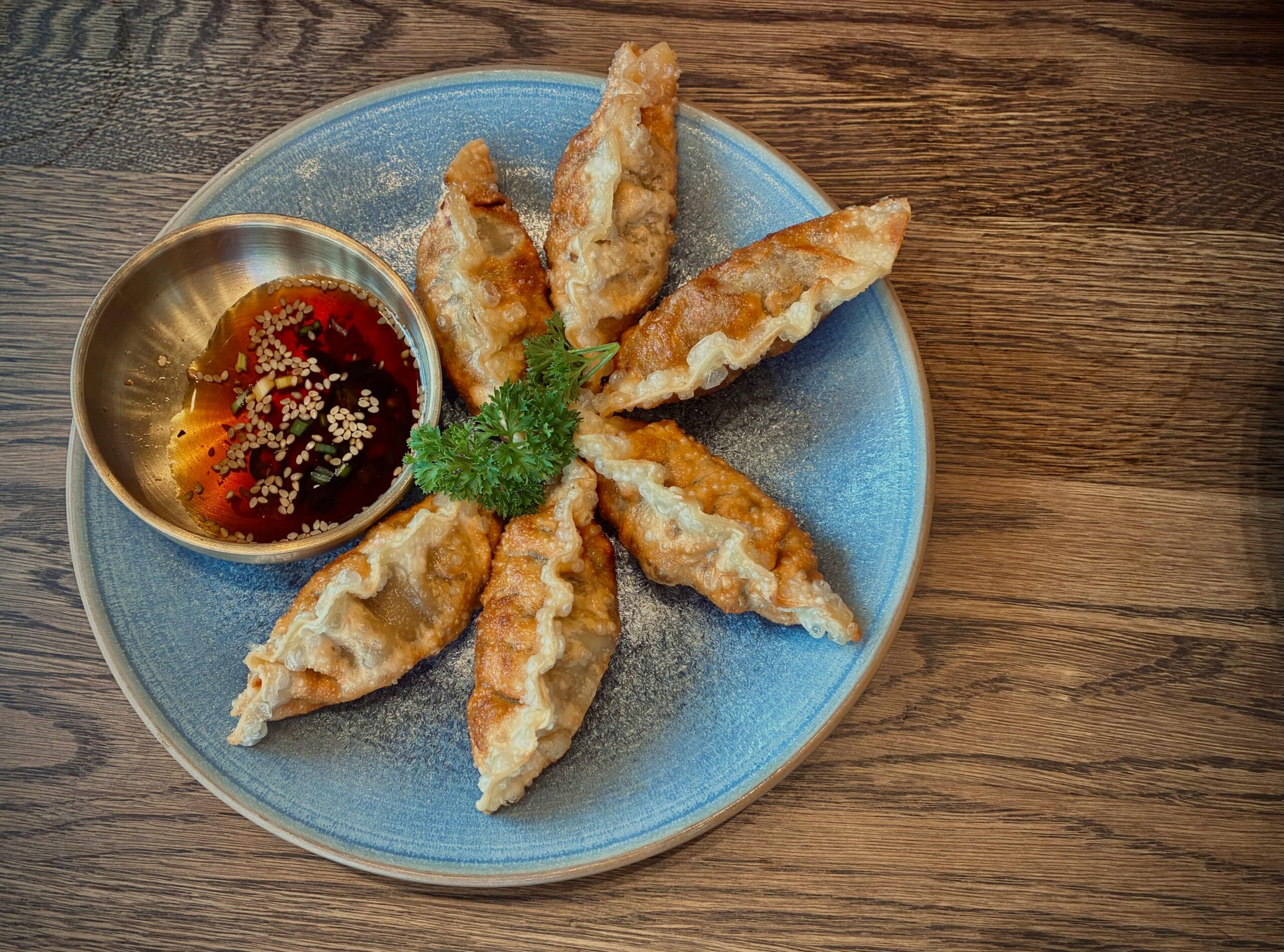
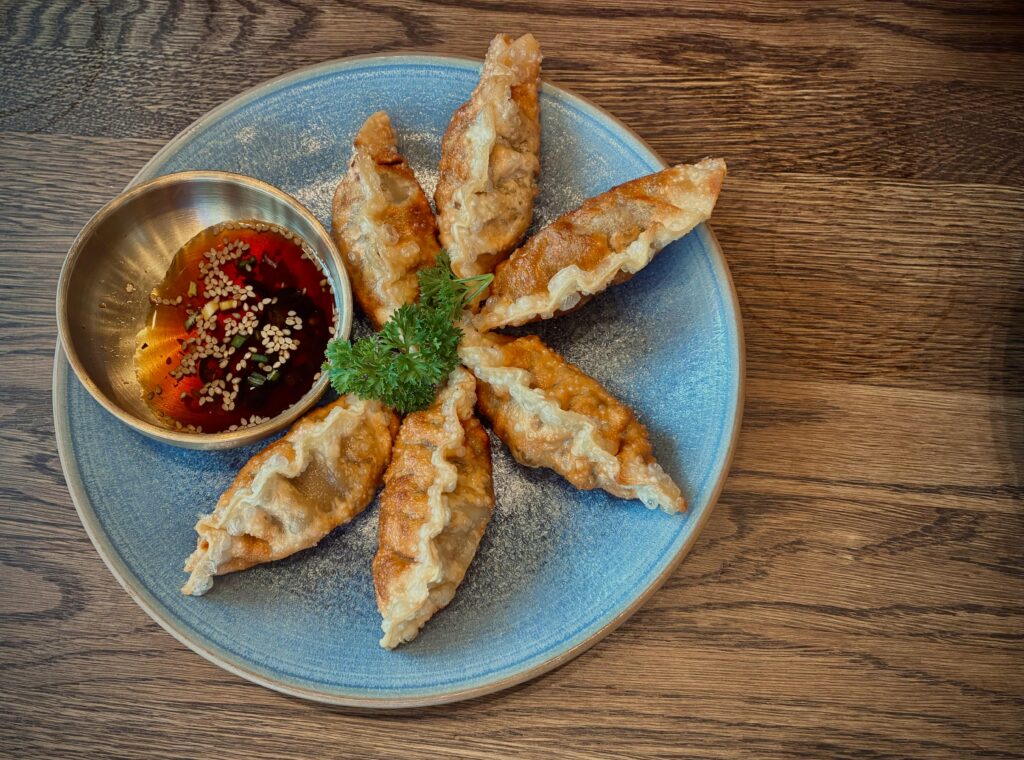
If you’ve been searching for the perfect Japanese Gyoza Recipe, you’re in the right place. These delicious Japanese pan-fried dumplings feature a juicy pork and cabbage filling wrapped in delicate dumpling wrappers and cooked until golden brown and crispy on the bottom while remaining tender on top.
One of the reasons I love making this Japanese Gyoza Recipe at home is that the flavor is fresher, the filling is more generous, and the crispy texture is unbeatable. While ordering gyoza at a Japanese restaurant is always tempting, homemade gyoza gives you complete control over the ingredients and seasonings.
Whether you’re preparing an appetizer for family dinner, a weekend cooking project, or a Japanese-inspired meal night, this recipe will help you create restaurant-quality dumplings right in your own kitchen.
Table of Contents
My Journey With Japanese Gyoza in the United States
This is actually only my second time making Japanese Gyoza (Pan-Fried Dumplings) since moving to the United States. One of the biggest challenges wasn’t making the filling or folding the dumplings—it was finding the gyoza wrappers.
I originally looked online, including Amazon, but couldn’t find the wrappers I wanted. Thankfully, we made a trip to Great Wall Supermarket in Aurora, Colorado, and found exactly what I needed. If you’re like me and happen to be near the area, it’s worth visiting. Walking through the aisles felt a little like stepping back into familiar territory. Seeing vegetables, sauces, snacks, and grocery items that I used to buy in the Philippines brought back so many memories.
It’s true that I miss the Philippines. There are days when I miss the food, the markets, and the comfort of familiarity. At the same time, I’m learning to appreciate the incredible food diversity that life offers me today. Living in the United States has given me opportunities to explore cuisines I didn’t grow up with, from Chinese, Japanese and Korean dishes to Mediterranean recipes and beyond.
The more I cook, the more I realize that I have only scratched the surface. There are countless recipes, ingredients, and culinary traditions waiting to be discovered. I know I have a long way to go before I can try everything, but that’s part of the excitement. I’m ready to keep learning, growing, and experiencing the food wonders that every culture has to offer.
One thing that helps me tremendously is writing everything down. It may sound old-fashioned, but I’ve always learned better when I put pen to paper. Reading digital notes is helpful, but physically writing recipes helps me remember techniques, ingredients, and cooking tips much more effectively. That’s why I keep a dedicated recipe notebook for all my culinary experiments. Looking back through those pages reminds me how much I’ve learned and how far I’ve come. It also makes cooking more organized, more enjoyable, and honestly, a lot more fun.
As for this batch of gyoza, my husband was thrilled. He loves gyoza so much that he’d happily eat it twice a day without complaint! Since I often prepare meals for his work lunches, I made a large batch and flash-froze about half of them. Having homemade gyoza in the freezer means I can cook them whenever we want a quick and satisfying meal.
Interestingly, I bought a gyoza mold hoping it would speed up the process, but the wrappers I purchased didn’t fit the mold properly. So I ended up folding every dumpling by hand. While it definitely takes more time, I found the process surprisingly peaceful. There’s something calming about sitting down and carefully folding each dumpling one by one. It’s almost therapeutic. Because it is time-consuming, I prefer making a larger batch that can be divided throughout the week for easy meals and meal prep.
If you’re interested in the tools, cookware, and ingredients I use for recipes like this, be sure to check out my Amazon storefront where I’ve organized everything into convenient Idea Lists. I’ve also written a separate blog post about ordering Asian ingredients through Instacart if visiting an Asian grocery store isn’t practical in your area. Both resources can help make cooking authentic Asian recipes much easier, no matter where you live.
Why Japanese Gyoza Is So Popular
Japanese gyoza originated from Chinese dumplings but evolved into a uniquely Japanese dish. Unlike many Chinese dumplings that are often boiled or steamed, Japanese gyoza are famous for their crispy bottoms and juicy fillings.
A traditional Japanese Gyoza Recipe usually includes:
- Ground pork
- Finely chopped cabbage
- Garlic
- Ginger
- Chives
- Soy sauce
- Sesame oil
The combination creates a savory, juicy filling packed with umami flavor.
What Makes This Japanese Gyoza Recipe Special?
This recipe follows several traditional techniques that help create authentic results:
Moisture Control for Better Texture
One of the biggest secrets to a great Japanese Gyoza Recipe is removing excess moisture from the cabbage. Salting and squeezing the cabbage prevents soggy wrappers and keeps the filling juicy rather than watery.
Sticky Filling Creates Better Dumplings
Mixing the filling until it becomes sticky helps bind the ingredients together. This technique creates the signature texture found in restaurant-quality gyoza.
Crispy Bottom, Tender Top
The famous gyoza cooking method combines frying and steaming. This creates a beautiful contrast between the crunchy bottom and the soft, delicate wrapper on top.
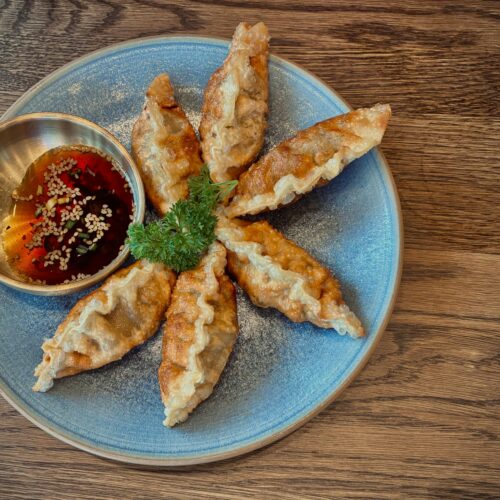
Japanese Gyoza (Pan-Fried Dumplings)
Equipment
- Sharp chef’s knife or cleaver (for finely chopping cabbage and chives)
- Large mixing bowls (for cabbage salting and filling mixture)
- Cheesecloth, clean kitchen towel, or salad spinner (to squeeze moisture from cabbage)
- Measuring spoons and cups
- Cutting board
- Non-stick skillet or frying pan with lid (essential for the crispy-bottom steam-fry method)
- Spatula or turner (for flipping or removing gyoza)
- Small bowl (for water to seal wrappers)
- Dumpling filling spoon or small spatula (for even portioning)
- Dough cutter / bench scraper (useful if making wrappers from scratch)
- Digital kitchen scale (for precise ingredient measurements)
- Bamboo steamer (optional, for alternative cooking)
- Tray or baking sheet with parchment (for assembling and freezing)
Ingredients
- Filling1 ½ cups (about 150-200g) green cabbage or Napa cabbage, very finely chopped
- 1 tsp salt divided
- 1 lb 450-500g ground pork (fattier is better for juiciness)
- 1 cup garlic chives nira, finely chopped (or substitute green onions/scallions + extra garlic)
- 1-2 garlic cloves minced or grated
- 1 tsp fresh ginger grated (with juice)
- 2 tsp soy sauce
- 1-2 tsp toasted sesame oil
- 1 tbsp cornstarch optional, helps bind
Optional additions (for extra flavor): 2 tsp sake, ⅛ tsp white or black pepper, 1-2 minced shiitake mushrooms, 1 tsp sugar
- Wrappers: 40-50 round gyoza wrappers available in the refrigerated section of Asian or Japanese grocery stores; also called Gow Gee
- For Cooking per batch of ~10-12:1-2 tbsp neutral oil (vegetable, canola)
- ⅓-½ cup water
Optional: drizzle of sesame oil at the end for extra crisp
- Dipping Sauce mix to taste:Soy sauce
- Rice vinegar unseasoned
- Chili oil Japanese rayu/la-yu or chili flakes
Instructions
- Prepare the Filling (Key for Juiciness)Mix chopped cabbage with ½ tsp salt. Let sit 10-20 minutes to draw out moisture. Squeeze firmly in a clean kitchen towel or cheesecloth to remove as much water as possible. In a large bowl, combine the drained cabbage with ground pork, chives/green onions, garlic, ginger, soy sauce, sesame oil, and any optional seasonings. Mix thoroughly with your hands until the mixture becomes sticky and well-combined (knead for 1-2 minutes for better texture). A quick taste-test: microwave a tiny bit and adjust seasoning.
- Wrap the GyozaDust a tray lightly with cornstarch or line with parchment.
- Place a wrapper in your non-dominant hand. Add ~1 level tablespoon of filling in the center (flatten slightly to remove air pockets). Moisten the edge with water (dip finger in a small bowl). Fold in half into a half-moon. Pinch the top center.
- Create pleats: Toward center (common style): Make 3-4 pleats on the right side toward the center, pressing each against the back. Repeat on the left. To one side: Make pleats from right to left along the top. Press firmly to seal and shape so the gyoza sits flat. Cover finished ones to prevent drying.
- Cook the Gyoza (Crispy Bottom Technique)Heat a non-stick skillet over medium-high. Add 1 tbsp oil.
- Place gyoza in a single layer (flat side down), slightly spaced or in a circle. Cook 2-3 minutes until bottoms are golden brown. Add water (about ⅓-½ cup for 10-12 pieces), cover immediately, and steam 3-4 minutes until water mostly evaporates and wrappers look translucent on top. Remove lid. Cook another 1-2 minutes (optionally drizzle sesame oil) until bottoms are deep golden and crispy. Swirl pan if needed. Serve immediately, crispy side up.
- Storage & FreezingUncooked: Flash-freeze on a tray, then transfer to a freezer bag (up to 1-2 months).
- Cook from frozen — add extra 1-2 minutes steaming.
- Cooked: Refrigerate up to 3 days or freeze. Reheat in a skillet.
Notes
Don’t overfill; leave room for sealing.
Use a good non-stick or carbon steel pan for the best crust.
Variations: Swap pork for chicken/turkey, add mushrooms, or make vegetable-only.
Serve with rice, miso soup, or as part of a Japanese meal. Enjoy your homemade gyoza — they’re fresher and tastier than store-bought!
How to Fold Gyoza Like a Pro
Many home cooks think folding gyoza is difficult, but it becomes easy after a few tries.
The key is keeping the filling centered and creating small pleats that seal tightly. Even if your first batch isn’t perfectly shaped, they’ll still taste amazing.
Practice a few dumplings and you’ll quickly get the hang of it.
Storage and Freezing Tips for This Japanese Gyoza Recipe
One reason I love this Japanese Gyoza Recipe is that it freezes beautifully.
Freezing Uncooked Gyoza
Arrange dumplings on a tray in a single layer.
Freeze until solid.
Transfer to freezer bags.
Store for up to 2 months.
Reheating Cooked Gyoza
Place leftovers in a skillet with a splash of water.
Cover and heat until warmed through.
Remove the lid and allow the bottoms to crisp again.
Delicious Serving Ideas
This Japanese Gyoza Recipe pairs wonderfully with:
- Steamed rice
- Miso soup
- Japanese cucumber salad
- Edamame
- Ramen
- Japanese fried rice
Together they create a complete Japanese-inspired meal that’s satisfying and full of flavor.
Variations to Try
Chicken Gyoza
Replace ground pork with ground chicken for a lighter version.
Mushroom Gyoza
Add finely chopped shiitake mushrooms for additional umami flavor.
Vegetable Gyoza
Use cabbage, mushrooms, carrots, and tofu for a vegetarian option.
Spicy Gyoza
Add chili oil or chili flakes directly to the filling.
Kitchen Tools and Ingredients I Used
Want to recreate this recipe with the same tools and ingredients I use in my kitchen?
👉 Visit my Amazon storefront where I’ve organized helpful Idea Lists featuring my favorite kitchen tools, cookware, pantry ingredients, and recipe essentials. It makes shopping for recipe supplies much easier and helps you find exactly what you need for homemade Japanese cooking.
Why You’ll Love Making Japanese Gyoza at Home
Making homemade gyoza may seem intimidating at first, but once you master the process, you’ll discover how rewarding it can be. The crispy bottoms, juicy filling, and fresh ingredients make every bite worth the effort.
Don’t worry if your first few dumplings aren’t picture-perfect. Every batch improves your skills, and even imperfect gyoza are incredibly delicious. Gather your ingredients, invite family or friends to help with folding, and turn the experience into a fun cooking tradition.
If you try this recipe, I’d love to hear how it turned out. Leave a comment below, share your favorite filling variations, and let others know your best gyoza-making tips. Happy cooking!