Cooking Lesson — Day 4: Heat Control — The Real Secret to Sautéing
COOKING LESSONS SERIES · LESSON 4 — HEAT CONTROL
Heat control is the real secret to sautéing: a hot pan, a little oil, and food in a single layer. Learn the five steps to golden-brown food that never steams.
This post may contain affiliate links. We only recommend products we believe offer good value and quality (please see our full affiliate disclosure). If you click through and make a purchase, we may earn a small commission at no extra cost to you. Your support helps keep this blog running. Thank you so much! 💕
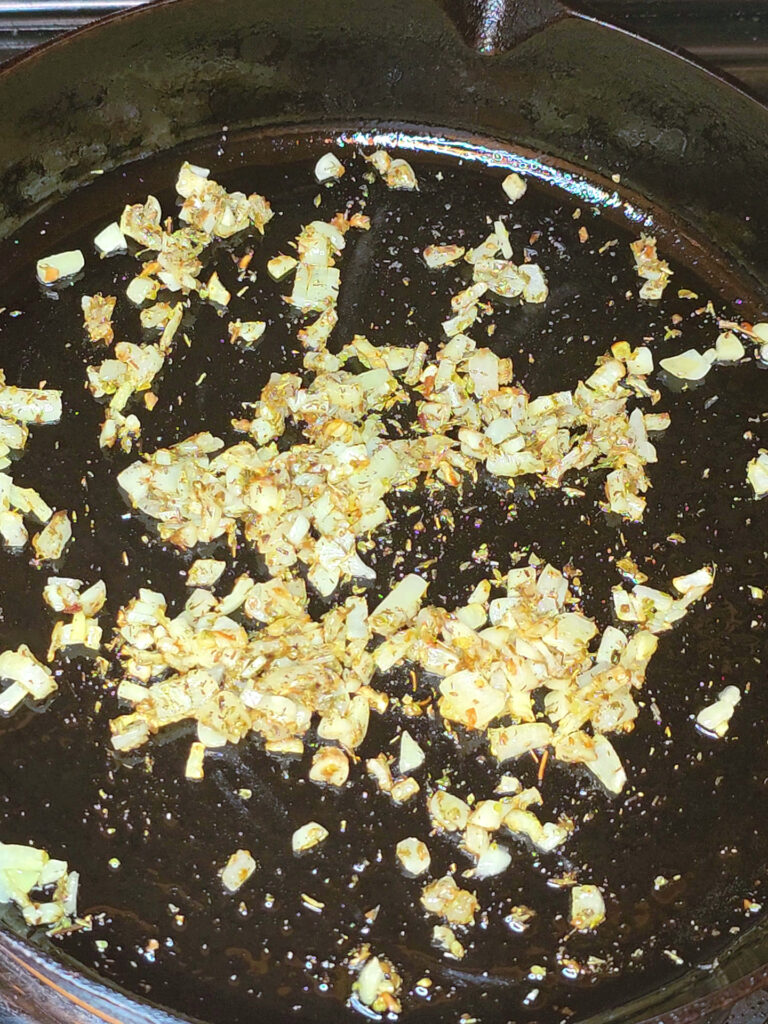
Table of Contents
If your vegetables steam instead of brown, this is why.
I used to do everything right on paper — fresh vegetables, a good pan, a hot stove — and still end up with a pile of soft, pale, slightly soggy food. It looked steamed, not sautéed, and I could not figure out what I was doing wrong.
The answer turned out to be simpler than I expected: it was never the recipe. It was the heat.
What Sautéing Really Is
Sautéing means cooking food quickly in a shallow pan over fairly high heat, with just a little fat. The word comes from the French sauter, to jump — and that is exactly what the food should do in the pan: move, sizzle, and brown fast.
It is the opposite of slow cooking. A good sauté takes minutes, not half an hour, and the whole point is that golden-brown crust on the outside while the inside stays tender. When it works, you can hear it and smell it before you even see it.
Why Heat Is the Whole Secret
Here is the part nobody told me for years. Vegetables and meat are full of water. When food hits a pan that is not hot enough, that water leaks out and pools in the pan. The food ends up sitting in its own liquid, and liquid can only get so hot before it turns to steam.
Steaming cooks food, but it never browns it. Browning needs a dry surface and a pan hot enough to drive the moisture off the outside of the food the moment it touches the metal. That is why two cooks can follow the same recipe and get completely different results. The one with the hotter pan gets the golden edges. The one with the cooler pan gets the steam.
Do This: Five Steps to a Proper Sauté
- Preheat the pan until a drop of water dances. Put the empty pan on the stove over medium-high heat and give it a minute or two. Then flick a few drops of water into it. If the water just sits there and bubbles weakly, the pan is not ready. If the drops sizzle, skitter, and dance across the surface, the pan is hot enough. That dancing drop is your green light. It costs nothing, takes two seconds, and it tells you the truth about your pan every single time.
- Add just enough oil or butter. Once the pan is hot, add the fat — about a tablespoon of neutral oil for most sautés, or a knob of butter if you want the flavor. Swirl it so it coats the bottom in a thin, even layer. You want enough to carry the heat to the food and keep it from sticking, but not so much that the food is swimming. Too much oil and the food fries instead of sautéing. Too little and it sticks and tears. A thin shimmer across the pan is exactly right. If the oil starts to smoke hard, the pan is too hot — pull it off the heat for a few seconds and let it calm down.
- Add food in a single layer and let it sit so a crust forms. Lay the food in the pan in one layer, with a little space between the pieces. Then — and this is the hard part — leave it alone. Do not stir it, do not poke it, do not flip it every ten seconds. A crust can only form where the food stays in steady contact with the hot pan. Every time you move a piece, you break that contact and start the clock over. Give it a minute or two, then peek at one edge. When it is golden and releases easily from the pan, it is ready to turn.
- Don’t crowd the pan. This is the mistake I made most often. When you pile too much food into the pan at once, the temperature drops fast and all that water has nowhere to go. The pan fills with liquid, the sizzle dies, and you are steaming again. Cook in batches if you have to. It feels slower, but two quick batches with real browning beat one crowded pan of grey, steamed food every time. The food also stays hot while the next batch cooks — just keep the first batch warm on a plate.
- Listen for the sizzle. That’s the sound of proper heat. Your ears are one of the best tools in the kitchen. A proper sauté has a loud, lively sizzle — the sound of moisture leaving the surface of the food fast. If the pan goes quiet, the heat has dropped, and the food is starting to steam. Turn the heat up a touch, or take a few pieces out. If the sizzle turns to angry spitting and the oil darkens, the heat is too high — turn it down. After a few times cooking this way, you will know the sound by heart.
Common Mistakes (and How to Fix Them)
- Starting with a cold pan. Food dropped into a cold pan soaks up oil, sticks, and steams in its own juices. Always preheat first — the water-drop test never lies.
- Moving the food too soon. If it sticks when you try to lift it, it is not ready. Browned food releases from the pan on its own.
- Using a pan that is too thin. A thin pan loses heat the moment food hits it. A heavy pan — stainless steel or cast iron — holds its heat and keeps the sizzle going. If your pan is very thin, preheat it a little longer and cook smaller batches.
- Wet food. Pat vegetables and meat dry with a towel before they go in. Water on the surface has to boil off before any browning can start, and that is time your food spends steaming.
- Too much oil. More oil does not mean more browning. It means the food is swimming, and swimming food does not crust.
Try It Tonight: Zucchini, Chicken, or Mushrooms
Tonight, pick one thing and practice: zucchini, chicken, or mushrooms. Cut zucchini into even half-moons, pat them dry, and lay them in a single layer in a hot, oiled pan. Let them sit until the underside is golden, then flip once.
For chicken, slice it evenly, dry it well, and give it the same treatment — one layer, no crowding, flip once. Mushrooms are the best teachers of all: they release a lot of water, so if your pan is not hot enough they will just swim. Wait for the sizzle, leave them alone, and watch them turn golden instead of grey.
One pan, one ingredient, five minutes — and you will feel the difference immediately.
A Real Example From My Kitchen: Japanese Ginger Pork and Broccoli Stir Fry
This is the dish where heat control makes or breaks dinner in my kitchen: my Japanese Ginger Pork and Broccoli Stir Fry. I first made it back in late 2024, while I was waiting for my visa and turning my kitchen into my happy place. I was experimenting with Japanese cooking — miso soup, ramen, and especially shogayaki — and this stir-fry became my go-to.
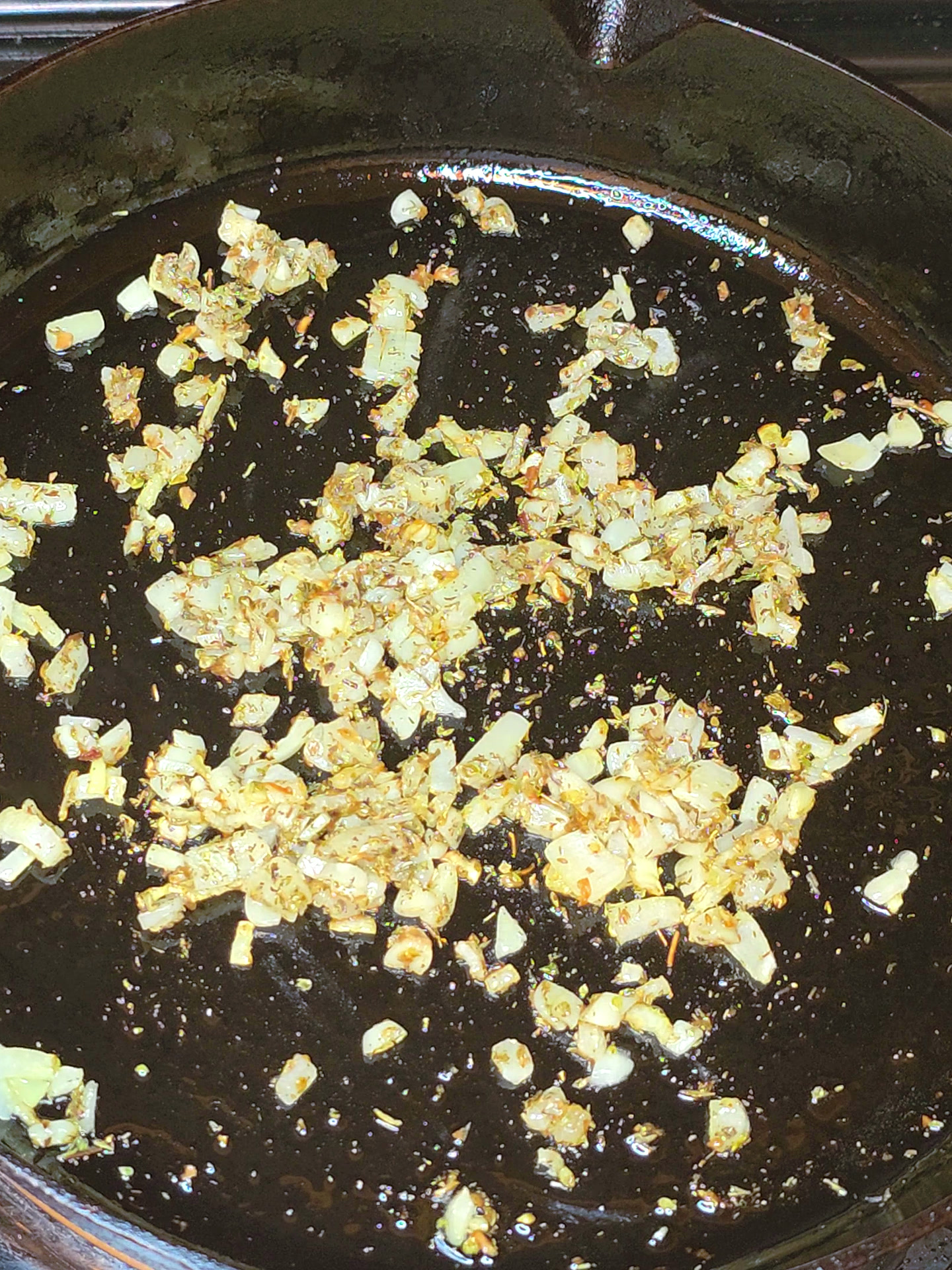
It is a 30-minute dinner — 15 minutes of prep and 15 minutes of cooking — and the whole cooking part runs on the same five steps above. I heat one tablespoon of neutral oil in a large pan over medium-high heat. Garlic and onion go in first for just 30 to 60 seconds, until fragrant. Then one pound of thinly sliced pork goes in a single layer, and it browns for one to two minutes per side.
Only then do I lower the heat, pour in the ginger sauce — fresh ginger, soy sauce, oyster sauce, mirin, sake, and sugar — and let it simmer for one to two minutes until it turns thick and glossy and clings to the pork. The frozen broccoli goes in last for a minute or two more, just until it is bright green and heated through.
The whole dish comes to about 380 calories per serving and about $8.00 in total, roughly $2.00 per serving. And the note I wrote to myself on the recipe still holds: prep everything first, because this stir-fry moves fast. When the pan is hot and the food goes in one layer at a time, dinner is on the table in half an hour and the pork actually browns instead of steaming.
The Habit to Keep
Heat control is not a talent. It is a habit — preheat, a little oil, one layer, no crowding, and listen for the sizzle. Practice it once tonight, and your sautéing will never be the same.
Find the full recipe for my Japanese Ginger Pork and Broccoli Stir Fry, and more kitchen lessons, at lifewithmikeandangie.com.
📚 Oops!: 209 Solutions for Everyday Cooking Mistakes is available on Kindle and in Paperback.
🛒 Shop with us: Amazon: https://link.amazon/B08IJ5OE0 · Walmart: https://walmrt.us/4egWCft #ad