Cooking Lesson — Day 2: Mise en Place — The Calm Cooking Habit
COOKING LESSONS SERIES · LESSON 2 — MISE EN PLACE
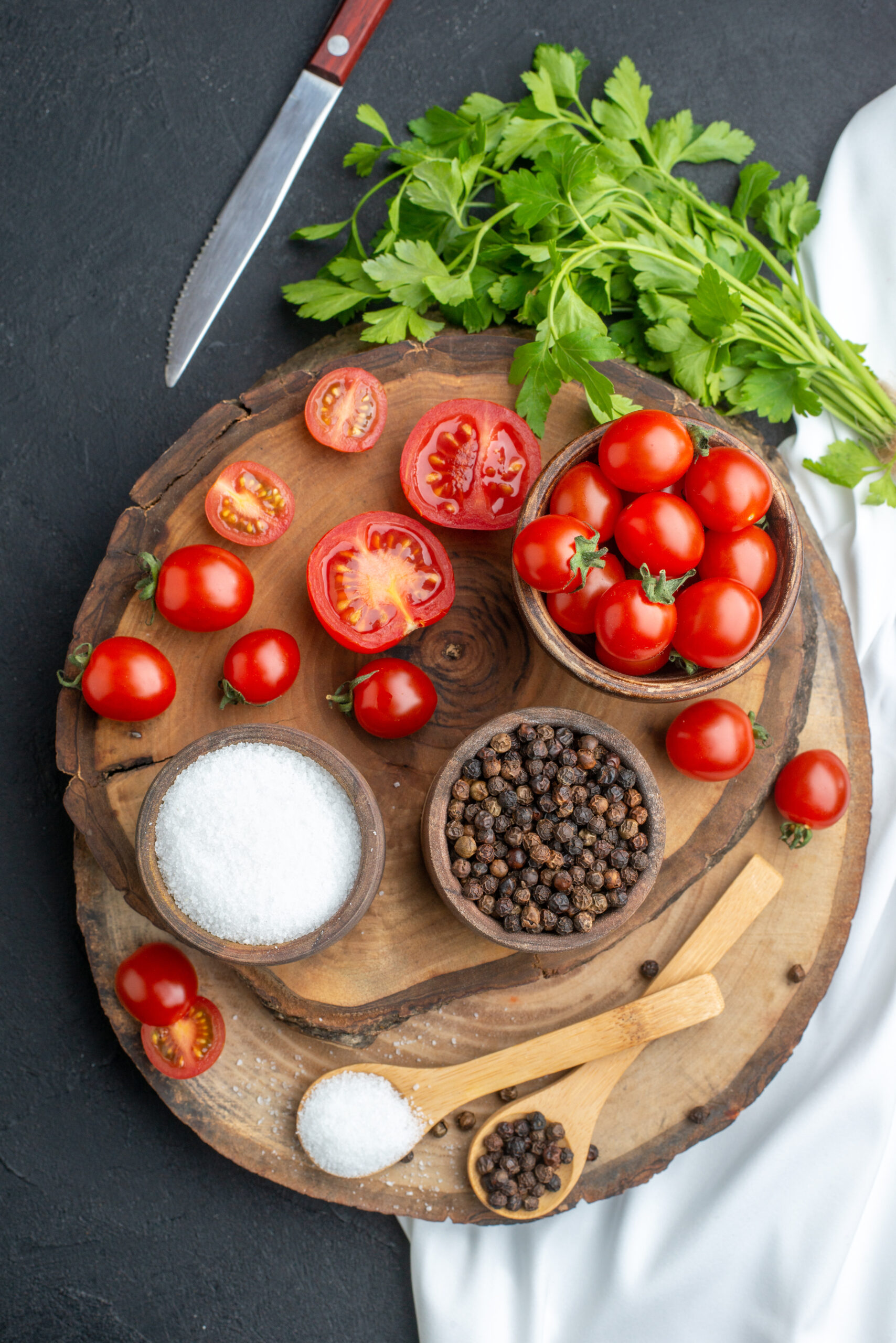
Mise en place: everything in its place — chop, measure, and line it all up before the pan gets hot.
This post may contain affiliate links. We only recommend products we believe offer good value and quality (please see our full affiliate disclosure). If you click through and make a purchase, we may earn a small commission at no extra cost to you. Your support helps keep this blog running. Thank you so much! 💕
Table of Contents
The Rush Is Not the Cooking
Picture a familiar weeknight scene. The pan is already heating, the onion is only half sliced, and the next ingredient is still whole in the fridge.
Nothing about the dish itself is hard. What went wrong is the order: you are trying to prep and cook at the same time, and those are two different jobs competing for the same pair of hands.
Mise en place fixes the order. It moves all the thinking, chopping, and measuring to before the heat, so that once cooking starts, cooking is the only thing you are doing.
What Mise en Place Really Means
Mise en place just means “everything in its place” — chop, measure, and line it all up BEFORE the pan gets hot. Nothing burns while you’re still slicing, and cooking suddenly feels calm.
The phrase is French, and it comes from professional kitchens, where a cook’s station is set up completely before service begins. Every ingredient is prepared, portioned, and within reach, because once orders start coming in there is no time to go looking for anything.
At home, the idea is exactly the same, just smaller. You do not need a row of matching chef bowls — a few small bowls, ramekins, a plate, or even a baking tray to hold everything will do.
That is the heart of this lesson: mise en place is not equipment and it is not fussiness. It is a habit, and it is the calmest habit a home cook can build.
Why It Works
Once the pan is hot, a recipe stops waiting for you. Garlic browns in seconds, noodles drink up broth fast, and a sauce thickens whether you are ready or not.
That is why nothing burns while you’re still slicing is more than a nice line — it is the whole mechanism. If all the slicing is finished before the heat goes on, nothing sits in a hot pan, forgotten, while your hands are busy at the board.
You see the whole dish. It also lets you see the whole recipe at once. Lined up in front of you, the dish stops being a list of surprises and becomes a simple sequence you can follow from left to right.
You catch problems early. And if something is missing — an empty spice jar, a forgotten bunch of herbs — you find out while there is still time to adjust, substitute, or run to the store. Discovering it mid-cook, with the pan already sizzling, is how dinners get stressful.
You can finally taste and adjust. Best of all, your attention is free at the exact moment it matters. Instead of chopping with one eye on the stove, you can watch the food, smell it, taste it, and adjust the seasoning — the parts of cooking that actually make a dish yours.
How to Do It, Step by Step
The habit takes about as long as the prep you were going to do anyway. You are not adding work — you are moving the same work earlier, where it is cheaper.
- Read the recipe all the way through. Before you touch a knife, read from the first line to the last. You are looking for the traps: something that marinates, something that soaks, a pan you do not own yet. Two minutes of reading saves a dinner.
- Take everything out. Gather every ingredient the recipe calls for and set it on the counter. If it is not on the counter, it is not in your kitchen yet — better to learn that now than halfway through.
- Chop and slice, slowest first. Start with whatever takes the longest or keeps the best — onions, sturdy vegetables, the meat — and finish with the quick, delicate things. Each finished item goes into its own small bowl or onto its own spot on the tray.
- Measure the small things. Spices, sauces, and seasonings get measured now, not shaken over a steaming pan later. A pinch bowl of salt and pepper by the stove will serve you in almost every recipe you ever cook.
- Line it up in cooking order. Arrange your bowls in the order the recipe uses them, first ingredient closest to the stove. Now the recipe reads itself: you simply work down the line.
- Set your tools, then heat the pan. Spatula, tongs, a plate for finished food, a towel over your shoulder. Only when all of that is ready does the burner go on — the heat is the very last step of prep, not the first step of cooking.
That is the entire system. Read, gather, chop, measure, line up, and only then cook — six small steps that turn a scramble into a sequence.
Common Mistakes, and the Easy Fixes
Almost everyone tries mise en place once, decides it created extra dishes, and quietly goes back to winging it. Usually one of these five mistakes is what actually went wrong.
| The mistake | The easy fix |
|---|---|
| Turning the heat on first, “to get ahead” | Heat is the last step of prep. A cold pan waits patiently; a hot one does not. |
| Measuring spices over a steaming pan | Measure into a small bowl beforehand. Steam clumps spice jars and rushes your hand. |
| Prepping into one big pile | Keep each ingredient separate and in cooking order, so you never dig through a pile mid-cook. |
| Leaving one ingredient in the fridge “to grab later” | Later is exactly when the pan needs you. Everything comes out at the start, no exceptions. |
| Using every bowl in the house | Group small, dry items together on one tray or plate. One tray to wash beats ten bowls. |
Notice that every fix is the same idea wearing different clothes: do it earlier, while nothing is hot. That single shift is the whole lesson.
The Lesson at Work: Spicy Pork Pancit Bihon with Dashi Broth
Some recipes forgive a cook who preps as they go. A fast noodle dish is not one of them — and that is exactly why this is the recipe we pair with this lesson.
Our Spicy Pork Pancit Bihon with Dashi Broth is a Filipino noodle dish built on pork and mushrooms, with thin bihon noodles cooked in dashi broth and the heat promised in its name. It is a main course, and it serves two.
| Prep time | Cook time | Total time | Serves |
|---|---|---|---|
| 15 minutes | 15 minutes | 30 minutes | 2 |
Look closely at those numbers, because they tell the whole story of this lesson. The prep time and the cook time are equal — fifteen minutes each — which means half of this recipe is mise en place by design.
The recipe’s ingredients are organized into four groups, and the cooking runs in seven steps. Once the pan is hot, those seven steps follow one another quickly, and there is no pause in the middle where you could stop and slice something.
So the lining-up matters here more than anywhere. The pork is sliced and waiting, the mushrooms are ready beside it, the bihon is portioned out, and the dashi broth is measured — all of it in order, all of it before any heat.
Then the cooking itself becomes almost restful. You move down the line of bowls, each step gets what it needs the moment it needs it, and thirty minutes after you started reading the recipe, dinner is done.
That is what calm cooking actually looks like. It is not slower cooking — this dish is fast — it is cooking where the rush was finished before the stove was ever turned on.
Try It This Week
Pick one recipe you already know and love, so the dish itself asks nothing new of you. This week, the only experiment is the setup.
Before any heat, put a tray or a clear stretch of counter beside your stove. Read the recipe once, set out every ingredient, and line your bowls up in the order you will use them.
Then cook, and notice the quiet moment that is different: the moment you would normally turn back to the cutting board. This time there is nothing left to chop — you just cook.
Calm Is a Setup, Not a Talent
Calm cooks are not born calm, and they are not necessarily more skilled. They simply do the busy work first, while the kitchen is still quiet and nothing can burn.
That is a habit anyone can borrow, starting with tonight’s dinner. Everything in its place — then the pan gets hot.
You will find the full Spicy Pork Pancit Bihon with Dashi Broth recipe, and the rest of the Cooking Lessons Series, at lifewithmikeandangie.com.
📚 Oops!: 209 Solutions for Everyday Cooking Mistakes is available on Kindle and in Paperback.
🛒 Shop with us: Amazon: https://link.amazon/B08IJ5OE0 · Walmart: https://walmrt.us/4egWCft #ad