

Cooking Lesson — Day 1: Season Smarter with Salt
COOKING LESSONS SERIES · LESSON 1 — SALT IN LAYERS
Salt in layers: season as you cook — a little at a time, at every stage.
The pot is done, you take a spoonful, and something is missing. You add a big pinch of salt at the very end, stir, taste again — and now it tastes salty, but still flat. That is the moment this lesson is about.
Salt is not a finishing touch you sprinkle on at the end and hope for the best. It is a tool you use all the way through cooking, in small amounts, at every stage. Used that way, it does not just make food salty. It wakes up the flavor that is already in the ingredients.

Table of Contents
Why salt in layers works
Salt in layers does two quiet jobs in a pot. First, it pulls a little moisture out of vegetables and meat, which concentrates their flavor and helps them brown. Second, it makes your tongue notice flavors more clearly — sweetness tastes sweeter, sourness tastes brighter, and the savory depth of a broth comes forward.
That is why a dish salted only at the end can taste both salty and bland at the same time. The salt is sitting on the surface. It never got the chance to work its way into the food.
Salt in layers: how to do it
Start with the base. When your onions, garlic, or ginger hit the pan, add a small pinch of salt. It helps the vegetables soften, draws out their moisture, and seasons them from the inside out.
Salt the protein next. Season meat, shrimp, or fish before it goes into the pan, not after it is cooked. Salt on the outside of raw protein seasons the whole piece as it cooks, instead of dusting just the surface.
Season the liquid, too. When you add broth, water, or tomatoes, taste the liquid and add a pinch if it needs it. A broth that is seasoned tastes like a broth. A broth that is not seasoned tastes like hot water, no matter how good the ingredients are.
Then — and this is the most important step — taste before the last pinch. Taste the finished dish, then decide. Most of the time you will need less salt than you think at this point, because the layers underneath are already doing their work.
Taste before the last pinch!
How much is a pinch, and what kind of salt?
A pinch is what you can hold between your thumb and two fingers — roughly an eighth of a teaspoon. Sprinkle it from a little height, moving your hand over the pan, so it lands evenly instead of in one salty pile.
If you cook with kosher salt, use your fingers, not a shaker. You can feel how much you are adding, and coarse crystals are harder to overdo than fine table salt. Whatever salt you use, the rule stays the same: you can always add more, but you cannot take it back.
Common mistakes — and how to avoid them
The first mistake is saving all the salt for the end. By then it is too late for it to season anything but the surface. Fix it with salt in layers — salt at each step, in small amounts, and taste as you go.
The second mistake is salting twice by accident. Fish sauce, soy sauce, miso, and cheese are all salty on their own. If your dish already has one of them, taste before you reach for the salt shaker. The salty ingredient may have done the job already.
The third mistake is never tasting at all. Recipes give you amounts, but your tomatoes might be sweeter today, or your broth saltier. Your tongue is the final judge, and it takes five seconds to check.
A real example from my kitchen: Sinigang na Hipon
My shrimp sinigang is a good place to see salt in layers in action. The sour broth starts with fresh tamarind pods, boiled until soft, then mashed and strained, so the sour juice becomes the broth. Then the tomatoes and onion go in.
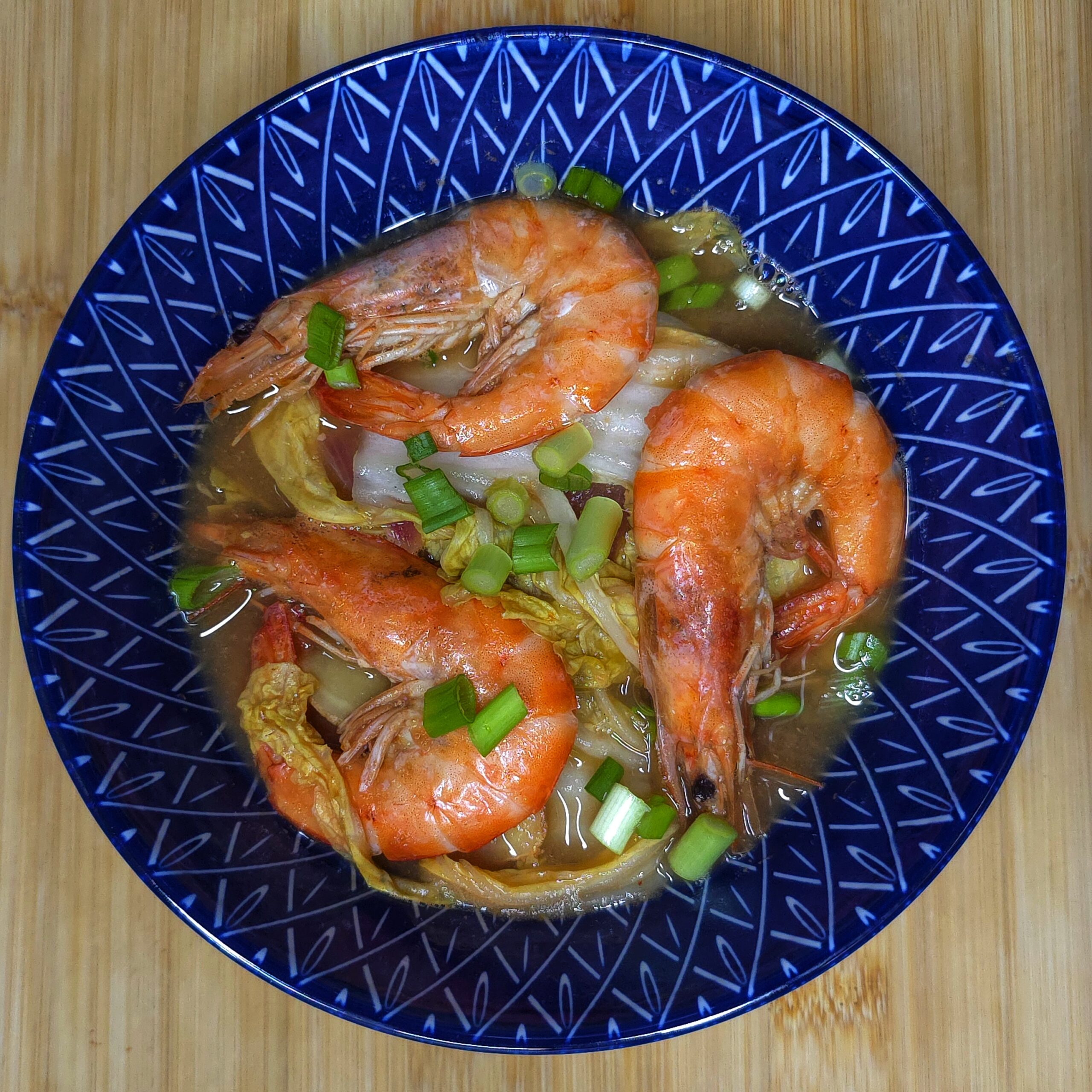
The shrimp goes in next, together with the fish sauce. Fish sauce is the salty seasoning here — it brings the salt and the savory depth in one pour. The Napa cabbage goes in last, just to wilt.
Because the fish sauce is already doing the salting, I taste the broth before adding any plain salt at the end. Most of the time, it does not need more. The layers did the work: the tomatoes were seasoned as they cooked, the fish sauce seasoned the broth, and the final taste tells me the truth.
If you cook a soup or stew this week, try salt in layers the same way. Salt the vegetables as they soften, season the protein before it cooks, taste the broth before you serve — and taste one last time before the final pinch.
Find the full Sinigang na Hipon recipe at lifewithmikeandangie.com.